Hey everyone, if you’ve ever worked in industrial automation, electrical installation, or even just dabbled in DIY wiring for a project, you’ve probably glanced at an electrical enclosure without even realizing it. Those plain metal or plastic boxes mounted on walls, hidden in utility closets, or sitting outdoors protecting gear? They’re way more than just “containers for wires”—and picking the right type can make or break your project’s safety, longevity, and performance. As a go-to enclosures & cabinets supplier, I’ve seen first-hand how many folks mix up the different types, so I wanted to break down the most common ones, what they’re for, and when you should reach for each. No stuffy jargon here—just straight talk from someone who’s spent years helping clients find exactly what they need. Enclosures & Cabinets

First off, let’s get the basics: what an electrical enclosure actually does. Sure, it holds circuit breakers, terminals, or control panels, but its real job is protecting that gear from two big threats: the environment (rain, dust, temperature swings) and people (preventing accidental shocks or接触 with live parts). Cut corners here, and you’re looking at corrosion, short circuits, or even safety hazards that can get someone hurt or ruin an expensive machine. That’s why choosing the right enclosure isn’t a afterthought—it’s a core part of any electrical design.
Now, the most common type you’ll run into is the NEMA 1 enclosure. This is the workhorse for indoor, low-hazard spaces like offices, commercial buildings, or utility closets where there’s no exposure to dust, moisture, or physical damage. NEMA 1 enclosures are usually made of mild steel or aluminum, with a simple, hinged door and a lock to keep unauthorized folks out. I see these used all the time for office HVAC controls, small lighting panels, and industrial machine control stations that never leave the building. The catch? They’re not for outdoors at all—even a light rain can seep through gaps and fry the components inside. If you’re working on a project that’s strictly inside and low-risk, NEMA 1 is your cheap, reliable go-to.
Next up, NEMA 3R. This is the outdoor-friendly version for areas that get rain, snow, or ice. A lot of clients mix NEMA 3R up with other outdoor enclosures, but the key here is it’s weather-resistant, not dust-tight. It’s made with a gasketed door that seals out rain and snow, and it can stand up to ice accumulation—great for outdoor light poles, agricultural irrigation controls, or small outdoor meter banks. The downside? It’s not rated for dusty or dirty environments, like construction sites or wood mills, where sawdust or concrete dust could get inside and cause shorts. If your gear’s sitting outside but not in a super dusty spot, 3R’s your guy.
For those dusty, dirty industrial spots? NEMA 4X is the one you need. This is the heavy-duty, washdown-ready enclosure you’ll see in food processing plants, pharmaceutical factories, or chemical handling facilities. NEMA 4X is completely dust-tight, waterproof (it can handle hosing it down directly, no problem), and even corrosion-resistant—usually made of stainless steel instead of mild steel to stand up to harsh chemicals and frequent washdowns. I remember a client last year who runs a craft brewery; they were using a regular NEMA 3R enclosure for their brewing process controls, and after a few weeks of cleaning equipment, the steam and water got in and corroded the terminals. Switched to a NEMA 4X, and they haven’t had an issue since. It’s a bit pricier, but when you’re dealing with contaminants that could destroy your gear, it’s worth every penny.
Wait, what about really extreme outdoor environments? Like places with heavy wind-blown dust, salt air (coastal areas), or even ice that builds up and hits the enclosure? That’s where NEMA 4 comes in. NEMA 4 is similar to 4X, but it’s not always stainless steel—though many coastal clients do opt for 4X for extra corrosion protection. It’s dust-tight, can handle heavy rain, snow, and even hose-downs, making it perfect for outdoor power distribution stations, coastal lighting systems, or construction site control panels that get exposed to all kinds of weather. I had a job a couple years ago at a construction site in Florida—salt air there eats through regular metal enclosures fast. Switched to NEMA 4 steel (powder-coated for extra salt resistance) and those enclosures held up through a hurricane, no rust, no issues.
Now, not all enclosures are steel or stainless. For indoor projects where weight or corrosion (like in humid basements) is a concern, you’ve got plastic enclosures, specifically polycarbonate or ABS ones. These are way lighter than metal, which is a big plus for wall-mounting where you don’t want extra weight pulling on drywall. They’re also corrosion-resistant, so they’re great for humid spaces like laundry rooms, pool equipment controls, or even small residential solar setups. A lot of electricians love these for small projects because they’re easy to drill, cut, and modify on-site—no heavy tools needed, just a drill and a saw. The trade-off? They’re not as durable as metal for heavy impacts, so don’t use them outdoors if there’s a risk of being hit by tools or debris.
Another type you’ll see in industrial automation is the submersible enclosure, often rated NEMA 6P. These are for gear that’s actually going to be underwater—like underwater sensor arrays, pump controls in flood-prone areas, or marine equipment. NEMA 6P enclosures can be fully submerged in water up to 10 feet deep for 24 hours, no water getting inside. They’re tough, usually made of thick polycarbonate or stainless steel, and sealed with heavy-duty gaskets. I worked with a municipal water department a while back that needed controls for a water treatment pump that sits at the bottom of a reservoir—submersible enclosure was the only way to keep those controls from failing when the pump’s running 24/7. Worth noting: these are way more specialized, so they’re not for casual outdoor use—only when submergence is a real requirement.
Then there are the control cabinets, which are a step up from the basic enclosures. Wait, people often ask me the difference between an enclosure and a cabinet, so let’s clear that up. An enclosure is usually a smaller box for individual components, while a cabinet is larger, designed to hold multiple enclosures, bus bars, transformers, and even cooling systems for big industrial setups. You’ll see these in factories with entire control systems for assembly lines, or data centers for power distribution. Cabinets can be NEMA-rated too, but they’re built for bigger loads—some even have built-in fans or air conditioners to keep the internal temp right for sensitive electronics. A lot of my manufacturing clients go for custom cabinets here, because they can size them exactly to fit their equipment, instead of settling for a standard enclosure.
Wait, I should mention explosion-proof enclosures too—those are non-negotiable for industries like oil and gas, chemical processing, or grain elevators where there’s a risk of flammable gases or dust. Explosion-proof enclosures aren’t just sealed—they’re built to contain an internal explosion of flammable material inside, so it doesn’t ignite the surrounding atmosphere. They’re made of thick, heavy metal, with special flame paths that let any explosion cool down before escaping. These are super specialized, way more than a standard NEMA rating, and you can’t skip the codes here—OSHA and NEC have strict rules about where you need explosion-proof gear. I once had a client in a grain mill try to cut corners with a regular NEMA 4 enclosure for their conveyor controls; a few weeks later, a spark from a faulty wire ignited grain dust, and it didn’t go well. They learned fast—explosion-proof is mandatory for those environments.
Let me wrap this up with some quick tips, since I know a lot of you are probably staring at a project right now and wondering which to pick. First, assess the environment: is it indoor or outdoor? Dusty, wet, corrosive, or explosive? That’s the first question. Second, check the gear inside—if you have sensitive electronics (like PLCs, touchscreens) they might need extra protection, like a cabinet with cooling. Third, don’t skimp on the rating for your location—saving a few bucks on a lower-rated enclosure now will cost you way more in repairs or downtime later.
If you’re not sure which type fits your project, don’t guess—reach out. As an enclosures & cabinets supplier, I’ve helped everyone from DIY homeowners to industrial engineers pick the right fit, and we can even do custom builds if standard sizes don’t work. Whether you need a small NEMA 1 for a residential lighting panel, a heavy-duty 4X for a food processing plant, or an explosion-proof cabinet for a refinery, we’ve got you covered. No sales pitch fluff, just honest advice for whatever you’re working on.
And a quick note: don’t forget about accessories! Enclosures aren’t just the box itself—you need mounting brackets, door locks, ventilation fans, gaskets, and maybe even wire glands to get everything set up right. A lot of clients buy the enclosure and forget the accessories, leading to installation headaches. We carry all that too, so you can grab everything in one order.
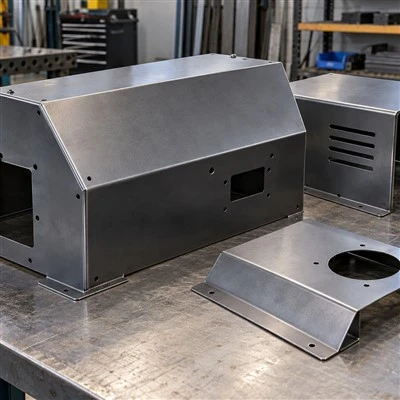
So there you go—common electrical enclosure types, broken down without all the fancy jargon. From basic indoor NEMA 1s to explosion-proof industrial cabinets, each serves a specific purpose, and getting the right one makes all the difference. If you’re working on a project and need help choosing, or you’re ready to chat about your enclosure or cabinet needs, don’t hesitate to get in touch. We’re here to make sure your gear stays protected, no matter where it’s installed.
Structural Steel Fabrication References
National Electrical Manufacturers Association (NEMA). NEMA Enclosure Types and Ratings.
Occupational Safety and Health Administration (OSHA). Electrical Enclosure Safety Standards.
National Electrical Code (NEC). Enclosure Requirements for Hazardous Locations.
Underwriters Laboratories (UL). Electrical Enclosure Testing and Certification.
Qingdao TianHua YiHe Metal Fabrication
Qingdao Tianhua Yihe Foundry Factory is well-known as one of the leading enclosures & cabinets manufacturers and suppliers in China. With a professional production team, we are able to meet the needs of the majority of our customers. Please rest assured to buy customized enclosures & cabinets from our factory.
Address: XIAOBUHOU INDUSTRIAL ZONE, NANQUAN TOWN, JIMO DISTRICT, QINGDAO CITY, CHINA
E-mail: andywang@qdthyhmetalfab.com
WebSite: https://www.qdthyhmetalfab.com/
