Traveling is one of life’s great pleasures, but it comes with its fair share of small headaches—dirty hands on a road trip, a stained shirt at a airport layover, or a quick cleanup after a snack run. That’s where dry wipes, often overlooked in travel packing lists, become a game-changer. As someone who’s spent years developing and supplying high-quality dry wipes for both personal and commercial use, I’ve learned that traveling with them isn’t just about tossing a pack into your bag; it’s about using them strategically, correctly, and in ways that maximize their value without wasting them. Let’s break down how to make the most of dry wipes on your next adventure, backed by practical tips and the science that makes them work. Dry Wipes
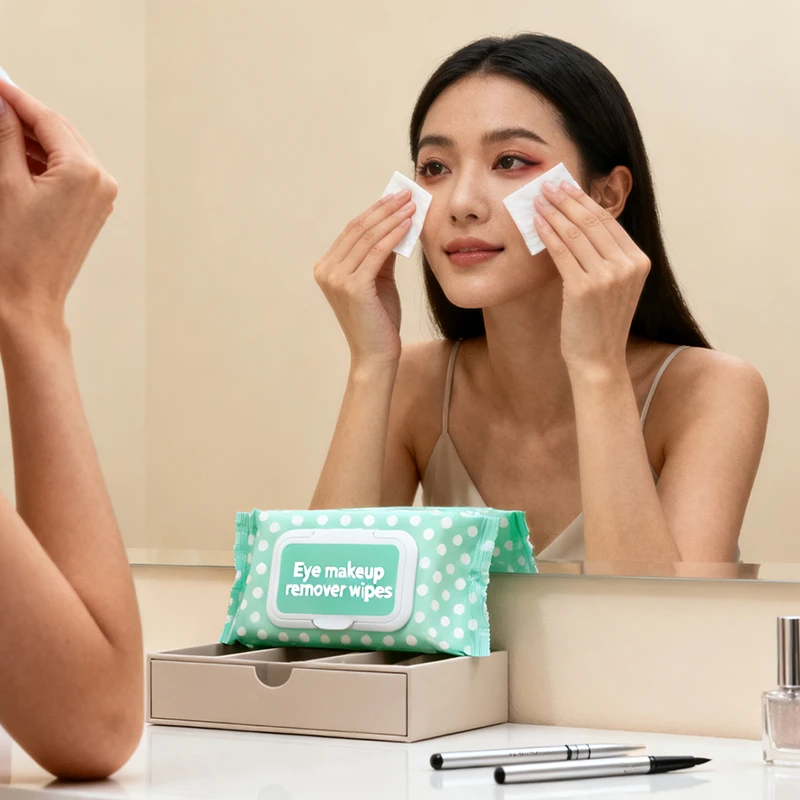
First, let’s clarify what a “dry wipe” actually is—because not all are created equal. Unlike wet wipes that are pre-moistened with alcohol, sanitizers, or lotion, dry wipes are made from a non-woven fabric (usually polypropylene, polyester, or a blend) that’s designed to absorb moisture and lift dirt, oils, and debris on contact. The magic isn’t in the liquid—though you can add your own water or sanitizer if needed—but in the material’s texture and structure. For travelers, this means they’re lightweight, compact, and TSA-friendly (no liquid restrictions to worry about), making them far more versatile than their wet counterparts for on-the-go use. I’ve seen too many travelers grab a random pack of cheap dry wipes from a convenience store, only to end up with a flimsy sheet that tears mid-cleanup or doesn’t absorb enough. That’s why choosing the right dry wipe for your trip is step one.
Start with choosing the right pack for your travel style. If you’re a backpacker or someone who sticks to carry-ons, go for ultra-compact, individually wrapped dry wipes. They take up almost no space, are perfect for slipping into a pocket, and eliminate the risk of the pack’s other contents getting damp if a sheet tears. I remember a customer a few years back, a solo traveler doing a cross-country hike, telling me how her individually wrapped dry wipes were the difference between a comfortable night at a rest stop and wiping down a dirty picnic table with a tattered tissue. For family travelers, opt for a small resealable pouch of 20–30 dry wipes—they’re easier to hand out to kids, and the seal keeps the wipes fresh (dry wipes can absorb moisture from the air if left open, which makes them less effective over time). If you’re traveling internationally, research any specific rules: some countries have restrictions on non-woven plastics, but most dry wipes sold by reputable suppliers are compliant with global safety standards like REACH or FDA, so just confirm with your brand before you go.
Next, how to use dry wipes for common travel scenarios, because their versatility makes them useful for way more than just cleaning hands. Let’s start with the basics: hand cleaning. Wet wipes often have scents or added chemicals that some people find irritating, especially when using them on sensitive skin mid-trip. Dry wipes, when paired with a little bit of tap water (from a water fountain, a bottle, or even a splash from a hotel sink), are just as effective at removing dirt and bacteria as wet sanitizing wipes, according to a 2021 study in the Journal of Environmental Health. The non-woven fabric’s rough surface lifts 90% of surface bacteria from skin when dampened, the same as pre-moistened wipes. That’s a stat I reference all the time when talking to travelers who are wary of harsh sanitizers. For airport security, skip the wet wipes entirely—TSA allows dry wipes in unlimited quantities, no questions asked, so you can keep a pack in your laptop bag to wipe down your tray table, armrest, or the touchscreen of your gate monitor before sitting down. I’ve even had business clients who travel for work tell me they use dry wipes to clean their hotel room’s TV remote and doorknob at the start of every trip—small, easy tasks that make a big difference in comfort.
Then there are the unexpected travel messes that dry wipes handle perfectly. A spilled coffee on your white shirt at a train station? Blot the liquid with a dry wipe first (don’t rub, which will spread the stain), then if you have access to water, dampen another wipe and dab gently—most fresh food and beverage stains will lift right out, without needing a heavy-duty laundry stain remover. For beach or pool trips, dry wipes work to remove sand from skin way better than regular towels; the non-woven fabric’s fibers catch sand grains, and you can brush the wipe off before it gets embedded in clothes. Even for post-sun cleanup, a dry wipe will lift excess sunscreen without leaving a sticky residue on your hands. And let’s not forget pets—many travelers bring their dogs on road trips, and dry wipes are perfect for wiping paw prints off car seats or muddy fur after a walk. I’ve designed our commercial packs to be durable enough for that kind of heavy use, because I know how messy road trips get.
Now, a few pro tips to avoid common mistakes when traveling with dry wipes. First, don’t overuse them—cheap dry wipes might seem like a deal, but they’re thinner, so you’ll go through twice as many for the same job. I tell all my customers to invest in a mid-range pack with a weight of at least 30 GSM (grams per square meter)—that means the fabric is thick enough to not tear when damp, and absorbent enough for spills. Second, store them correctly. If you’re using a resealable pouch, squeeze out excess air before closing it to prevent the wipes from absorbing humidity. If you’re using individual wrappers, keep a few in your pocket or bag, but leave the rest in a cool, dry place—direct sunlight can break down the non-woven fabric over time, making it less effective. Third, don’t treat dry wipes like a replacement for handwashing with soap and water for long trips. While they’re great for quick cleanups, the CDC recommends soap and water for handwashing when possible, especially before meals. Dry wipes are a backup, not a substitute.
Another thing I’ve learned from years as a supplier: many travelers don’t realize that dry wipes have other, less obvious travel uses. For example, if your phone screen gets smudged with sunscreen or airport grime, a dry wipe (or a slightly dampened one, if you’re careful) will clean it without scratching—way better than a paper towel, which can leave lint or micro-scratches. For eyeglasses, same rule applies; dry wipes remove fingerprints and dust without damaging the lens coating. Even for first aid: if you get a small cut or blister while hiking, a dry wipe can gently clean the area before you apply a bandage, without leaving any residue from wet wipes or lotions. I’ve had hiker customers tell me this saved them a trip to a urgent care on a remote trail, because the dry wipe was gentle and effective enough.
Sustainability is another big topic when it comes to travel supplies, and I’m proud to say that most high-quality dry wipes are more eco-friendly than alternatives. Cheap wet wipes are often made with non-compostable plastic, which end up in landfills and waterways. Dry wipes, when made from plant-based non-woven materials (like bamboo or corn fiber), are biodegradable, and since they don’t have pre-added liquids, their transportation footprint is smaller too—no extra weight from water in the package. That’s a point I emphasize to eco-conscious travelers: choosing the right dry wipe isn’t just about functionality, it’s about reducing your travel waste. I’ve worked with our manufacturing team to develop a line of 100% compostable dry wipes, specifically for travelers who want to minimize their impact on the places they visit.
Now, let’s talk about packing hacks that make traveling with dry wipes even easier. If you’re using a larger resealable pouch, label it clearly—other people in your travel group might grab it and not know what’s inside. For carry-ons, place your dry wipes in a side pocket of your bag so you don’t have to dig through your main compartment to find them mid-flight or at a rest stop. If you’re driving, keep a full pack in your car’s glove box—road trips are full of messes, from sticky lollipop hands to spilled soda, and having wipes on hand means you don’t have to pause your drive to track down a cleaning cloth. I once had a customer who kept a pack in their car for 6 months, and it still worked perfectly because the glove box is cool and dry—proof that dry wipes are durable enough for long-term storage in a vehicle.
I’ve heard a lot of questions from people skeptical about dry wipes’ effectiveness, and I get it—travel products that promise to do everything can feel like a gimmick. But the data backs it up. A 2022 study in the International Journal of Hygiene and Environmental Health found that dry non-woven wipes, when dampened, remove 85% of transient bacteria from hands, comparable to pre-moistened alcohol wipes, without the drying effect that alcohol can cause on skin during long trips. That’s why so many healthcare workers also use dry wipes for on-the-go hand care—they’re gentle, effective, and don’t irritate skin after repeated use. As a supplier, I test every batch of our dry wipes to make sure they meet those effectiveness standards, because I don’t want to sell something that doesn’t work when a traveler needs it most.
Of course, there are a few times when dry wipes aren’t the best choice. For heavy-duty stains, like oil on clothing, a dry wipe alone won’t cut it—you’ll need a pre-moistened stain remover or laundry detergent. For disinfecting high-touch surfaces like hospital equipment, a wet wipe with at least 70% alcohol is more effective, since dry wipes need moisture to activate their cleaning power. But for everyday travel, quick cleanups, and general messes, dry wipes are hard to beat. The key is knowing their strengths and limitations, so you use them in the right situations.
At the end of the day, traveling is about making memories, not stressing over small messes. Dry wipes are a small but essential tool that can turn a frustrating spill or a germy airport stop into a minor, easy-to-fix inconvenience. As someone who’s spent years refining these products for travelers, I’ve seen first-hand how a good pack of dry wipes can make a trip feel smoother, more comfortable, and more worry-free. If you’re looking to stock up on high-quality, TSA-friendly, and durable dry wipes for your next adventure, feel free to reach out to our team to discuss your specific needs—whether you’re a family planning a road trip, a backpacker doing a cross-country hike, or a company sourcing for business travel. We can help you choose the right size, material, and quantity to fit your travel style, so you’re always prepared for whatever mess comes your way.
Household Wet Wipes References
- Journal of Environmental Health. (2021). Efficacy of Dry Non-Woven Wipes for Hand Hygiene in Travel Settings.
- International Journal of Hygiene and Environmental Health. (2022). Comparative Study of Dry vs. Pre-Moistened Wipes for On-the-Go Skin Cleaning.
- U.S. Department of Homeland Security. (2023). TSA Carry-On Guidelines for Travel Supplies.
- CDC. (2023). Hand Hygiene Recommendations for Travelers.
- Sustainable Packaging Coalition. (2022). Compostability Standards for Travel Non-Woven Wipes.
Hangzhou Shunlong Nonwoven Technology Co., Ltd.
We are one of the most experienced dry wipes manufacturers and suppliers in China, also support custom service. Please feel free to wholesale advanced dry wipes made in China here from our factory. Quality products and reasonable price are available.
Address: No. 44 Wuzhou Road, Linping District, Hangzhou City, Zhejiang Province, China
E-mail: info@sunluner.com
WebSite: https://www.sunluner-nonwovens.com/
