Hey there! As a PPR pipe fittings supplier, I often get asked if our PPR pipe fittings are affected by temperature changes. And let me tell you, it’s a valid concern. After all, temperature can really mess with materials, causing them to expand, contract, or even break down over time. So, in this blog, I’m gonna dive into how temperature impacts PPR pipe fittings and what you need to know to make sure your plumbing systems stay in top shape. PPR pipe fittings
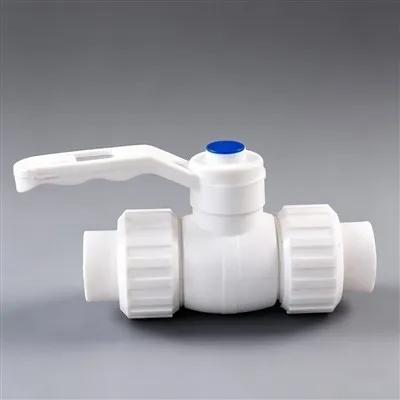
First off, let’s talk about what PPR is. PPR stands for polypropylene random copolymer, which is a type of plastic. It’s super popular for plumbing because it’s lightweight, easy to install, and resistant to corrosion. But like all materials, it does have its limits when it comes to temperature.
How Temperature Affects PPR Pipe Fittings
Expansion and Contraction
One of the most obvious ways temperature affects PPR pipe fittings is through expansion and contraction. When the temperature goes up, the PPR material expands, and when it goes down, it contracts. This is a natural phenomenon that happens to almost all materials, and it’s not necessarily a bad thing in small amounts.
However, if the temperature changes are extreme or happen very quickly, it can put a lot of stress on the pipe fittings. For example, in a hot climate, the sun can heat up the pipes during the day, causing them to expand. Then, at night when the temperature drops, they contract. Over time, this repeated expansion and contraction can lead to leaks or even cracks in the fittings.
To deal with this, it’s important to install PPR pipe fittings with some room for expansion. Expansion joints are a great solution. These are special parts that can absorb the changes in length as the pipes expand and contract. They help to relieve the stress on the fittings and prevent damage.
Impact on Material Properties
Temperature can also affect the mechanical properties of PPR. When it’s cold, PPR becomes more brittle. This means it’s more likely to crack or break if it’s subjected to any kind of impact. So, if you’re installing PPR pipes in a cold environment, you need to be extra careful not to hit or damage them.
On the flip side, when it’s hot, the PPR material becomes softer. This can be a problem if the pipes are under pressure. For instance, in a hot water system, the increased temperature and pressure can cause the pipes to deform over time. This can lead to reduced flow rates or even blockages in the plumbing system.
Chemical Resistance
Temperature can also have an impact on the chemical resistance of PPR. Under normal conditions, PPR is quite resistant to a wide range of chemicals. But when the temperature rises, the chemical resistance can decrease. This means that if the pipes are exposed to certain chemicals in a hot environment, there’s a higher risk of chemical attack, which can weaken the material and cause it to fail.
Dealing with Temperature Changes in Different Scenarios
Indoor Installations
In indoor settings, the temperature changes are usually less extreme compared to outdoor ones. However, in areas like basements or attics, where the temperature can vary more, you still need to take precautions. Make sure the pipes are insulated to reduce the impact of temperature changes. Insulation can also help to maintain the temperature of the water flowing through the pipes, which is important for energy efficiency.
Outdoor Installations
Outdoor installations are more challenging because the pipes are exposed to the elements. In cold climates, it’s crucial to protect the pipes from freezing. Frozen water can expand and cause the pipes to burst. You can use insulation wraps or heat tracing systems to keep the pipes warm.
In hot climates, shading the pipes can help to reduce the direct impact of the sun’s heat. You can also use reflective coatings on the pipes to reflect some of the sunlight and keep the temperature down.
Manufacturer Recommendations
As a PPR pipe fittings supplier, we always follow strict manufacturing standards to ensure our products can withstand normal temperature variations. But we also provide some guidelines to our customers.
First of all, we recommend that you follow the installation instructions carefully. This includes using the right tools and techniques for joining the pipes and fittings. Make sure you use the correct adhesive or welding method to ensure a strong and leak – proof connection.
We also suggest that you conduct regular inspections of the plumbing system, especially during extreme weather conditions. Check for any signs of leaks, cracks, or deformation in the pipes and fittings. If you notice any problems, it’s important to address them as soon as possible to prevent further damage.
Comparing PPR with Other Materials
Let’s quickly compare PPR with some other common plumbing materials in terms of temperature resistance.
Copper pipes are a traditional choice for plumbing. They are very good at withstanding high temperatures. However, they are more expensive and heavier than PPR. They are also more prone to corrosion in certain environments.
PVC pipes are another option. They are lightweight and inexpensive. But they have a lower temperature tolerance compared to PPR. PVC can become brittle at low temperatures and can distort at relatively high temperatures.
PPR strikes a good balance. It has a reasonable temperature range that it can handle, is affordable, and is easy to work with.
Conclusion
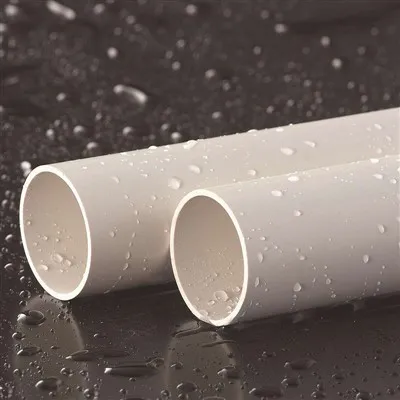
So, to answer the question, yes, PPR pipe fittings are affected by temperature changes. But with the right precautions, you can minimize the impact and ensure a long – lasting plumbing system. Whether you’re installing PPR pipes in a small residential building or a large commercial complex, it’s important to take temperature into account.
PPR Fitting If you’re in the market for high – quality PPR pipe fittings, we’ve got you covered. Our products are designed to meet the highest standards and can handle a wide range of temperature conditions. We’re more than happy to help you with your plumbing needs, from choosing the right products to providing technical support. If you’re interested in purchasing our PPR pipe fittings, just reach out to us. We’ll be glad to have a chat with you and discuss your requirements.
References
- ASTM International Standards on Plastic Pipes for Water Supply
- European Plastic Pipe and Fittings Association (TEPPFA) Reports on PPR Performance
- Technical Documentation from Raw Material Suppliers of PPR for Pipe Manufacturing
Hebei Ruijie Pipe Industry Co., Ltd.
Address: Industrial Park, Shaozhuang Township, Suning County, Cangzhou City, Hebei Province
E-mail: 1987870474@qq.com
WebSite: https://www.rjpprpipe.com/
