In the automotive and industrial sectors, the choice of wheels is a critical decision that impacts performance, durability, and overall efficiency. Among the various types of wheels available, forged aluminum wheels and forged steel wheels stand out as two popular options, each with its own unique characteristics and advantages. As a seasoned forged wheels supplier, I’ve witnessed firsthand the diverse needs of our clients and the importance of understanding the differences between these two materials. In this blog post, I’ll delve into the key aspects that set forged aluminum wheels apart from forged steel wheels, helping you make an informed decision for your specific requirements. Forged Wheels
Manufacturing Process
The manufacturing process is the foundation that determines many of the properties of forged wheels. Forged aluminum wheels start with high – quality aluminum alloy billets. These billets are heated to a specific temperature, making them malleable. Then, they are subjected to extreme pressure using forging presses. This pressure compresses the aluminum molecules, aligning them in a uniform and dense pattern. The result is a wheel with a fine – grained structure, which enhances its mechanical properties such as strength and fatigue resistance.
On the other hand, forged steel wheels follow a similar but distinct process. Steel billets, typically made from high – carbon or alloy steel, are also heated to a suitable forging temperature. The forging process for steel involves applying even more substantial pressure due to the higher strength and hardness of steel compared to aluminum. The intense pressure during forging refines the steel’s grain structure, eliminating internal voids and improving its overall integrity. This process gives forged steel wheels their renowned toughness and ability to withstand heavy – duty applications.
Weight
One of the most significant differences between forged aluminum wheels and forged steel wheels is their weight. Aluminum is a lightweight metal, with a density approximately one – third that of steel. As a result, forged aluminum wheels are significantly lighter than their steel counterparts. For automotive applications, this weight reduction offers several benefits. Lighter wheels reduce the unsprung weight of the vehicle, which is the weight not supported by the suspension system. A lower unsprung weight improves the vehicle’s handling, acceleration, and braking performance. It allows the suspension to respond more quickly to road irregularities, providing a smoother and more comfortable ride.
For commercial vehicles and racing cars where weight savings are crucial, forged aluminum wheels are often the preferred choice. In racing, every pound saved can translate into a significant advantage in terms of speed and lap times. For commercial trucks, lighter wheels mean increased fuel efficiency, as the engine doesn’t have to work as hard to move the vehicle.
However, the lower weight of aluminum wheels also has its limitations. In applications where high – load capacity is required, such as heavy – duty industrial equipment and some large – scale transportation vehicles, the lighter weight of aluminum may not be sufficient to handle the extreme forces. This is where forged steel wheels come into play.
Strength and Durability
Forged steel wheels are known for their exceptional strength and durability. Steel has a higher tensile strength and hardness compared to aluminum, which means it can withstand greater loads and impacts without deforming or cracking. In industrial settings where vehicles are exposed to rough terrains, heavy loads, and harsh working conditions, forged steel wheels are the go – to option. For example, mining trucks, which carry tons of ore over uneven and rocky surfaces, rely on the robustness of forged steel wheels to ensure reliable operation.
Forged aluminum wheels, while not as strong as steel wheels in terms of sheer load – bearing capacity, still offer impressive strength for most applications. The forging process enhances the aluminum’s natural strength, and modern alloy formulations have further improved its performance. Aluminum wheels are resistant to corrosion, which is a major advantage, especially in humid or salty environments. Corrosion can weaken steel wheels over time, reducing their lifespan and safety. Aluminum’s corrosion resistance helps maintain the integrity and appearance of the wheels, even in harsh outdoor conditions.
Cost
Cost is an important factor to consider when choosing between forged aluminum wheels and forged steel wheels. The cost of forged aluminum wheels is generally higher than that of forged steel wheels. This is due to several factors. Firstly, the raw material cost of aluminum is relatively high. Additionally, the manufacturing process for aluminum wheels requires precise temperature control and specialized equipment to ensure the quality of the forging. The finishing processes, such as machining and coating, also add to the overall cost.
Forged steel wheels, on the other hand, are more cost – effective. Steel is a widely available and relatively inexpensive raw material. The forging process for steel is well – established and can be carried out with less complex equipment in some cases. For budget – conscious customers or applications where cost is a primary concern, forged steel wheels are a more attractive option. However, it’s important to note that in the long run, the higher initial cost of forged aluminum wheels may be offset by the savings in fuel efficiency and lower maintenance costs, especially in applications with high – mileage requirements.
Aesthetics and Design Flexibility
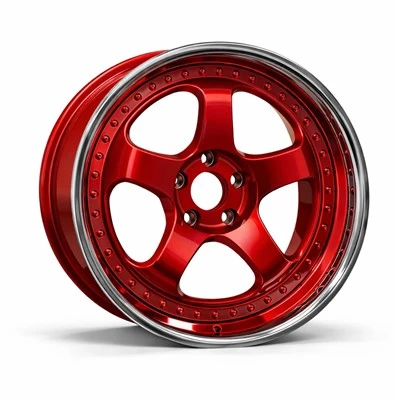
When it comes to aesthetics, forged aluminum wheels have a clear advantage. Aluminum is easier to machine and shape compared to steel, which allows for more intricate and stylish designs. Automotive enthusiasts often choose forged aluminum wheels for their vehicles because they can enhance the overall appearance of the car. The smooth surface finish and the ability to create unique spoke patterns and designs make aluminum wheels a popular choice for customizing vehicles.
In contrast, forged steel wheels typically have a more utilitarian appearance. Their design is often focused on functionality rather than aesthetics. While there are some aftermarket options available to improve the look of steel wheels, their design flexibility is more limited compared to aluminum wheels. However, in many industrial and commercial applications, aesthetics are not the primary concern, and the focus is on the wheel’s performance and durability.
Performance in Specific Applications
In the automotive industry, forged aluminum wheels are commonly used in high – performance cars, sports cars, and luxury vehicles. These vehicles require wheels that can provide excellent handling, high – speed stability, and a touch of style. The lightweight and corrosion – resistant properties of aluminum make it an ideal material for these applications. For example, many European sports car manufacturers use forged aluminum wheels to optimize their vehicle’s performance and enhance the overall driving experience.
Forged steel wheels, on the other hand, are prevalent in heavy – duty commercial vehicles, military vehicles, and industrial equipment. Trucks, buses, and construction machinery often rely on the strength and load – carrying capacity of steel wheels. In military applications, where vehicles need to operate in extreme environments and withstand harsh impacts, the durability of forged steel wheels is essential.
Conclusion
In summary, the differences between forged aluminum wheels and forged steel wheels are significant and span multiple aspects, including weight, strength, cost, aesthetics, and performance in specific applications. As a forged wheels supplier, we understand that each customer has unique requirements, and the choice between these two types of wheels depends on a variety of factors.
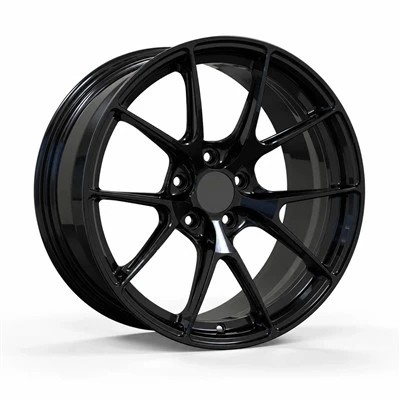
If you’re looking for a wheel that offers weight savings, corrosion resistance, and a stylish appearance, forged aluminum wheels may be the right choice for you. They are ideal for high – performance vehicles and applications where fuel efficiency and handling are crucial. On the other hand, if you need a wheel that can withstand heavy loads, extreme impacts, and harsh working conditions, and cost is a major consideration, forged steel wheels are the better option.
Multi Spoke Wheels We are committed to providing our customers with high – quality forged wheels that meet their specific needs. Whether you’re an automotive manufacturer, a commercial fleet operator, or an industrial equipment supplier, we have the expertise and the product range to serve you. If you’re interested in learning more about our forged aluminum wheels or forged steel wheels, or if you’d like to discuss your specific requirements and start a procurement negotiation, please don’t hesitate to contact us. Our team of experts is ready to assist you in making the best decision for your business.
References
- ASM Handbook Committee. (2008). ASM Handbook Volume 14A: Metalworking: Forging. ASM International.
- Dieter, G. E. (2000). Mechanical Metallurgy. McGraw – Hill.
- Totten, G. E., & MacKenzie, D. E. (2003). Handbook of Aluminum: Physical Metallurgy and Processes. CRC Press.
Hurong (Ningbo) Wheels Co., Ltd.
Hurong (Ningbo) Wheels Co., Ltd. is one of the most professional forged wheels manufacturers and suppliers in China, also supports customized service and OEM service. Welcome to wholesale bulk high quality forged wheels made in China here from our factory. If you have any enquiry about cooperation, please feel free to email us.
Address: Floor.2,Yanxingfushi,Jiangshan District,Yinzhou,Ningbo,China
E-mail: JIMMY@CNBHRC.COM
WebSite: https://www.hrc-wheel.com/
