Horticultural farms, with their diverse needs and specialized operations, require a unique set of farm implements to ensure efficiency, productivity, and the overall success of the cultivation process. As a seasoned farm implements supplier, I’ve witnessed firsthand the evolution of horticultural farming and the ever – changing requirements of growers. In this blog, I’ll delve into the various farm implements that are well – suited for horticultural farms, exploring their functions, benefits, and the scenarios in which they shine. Farm Implements
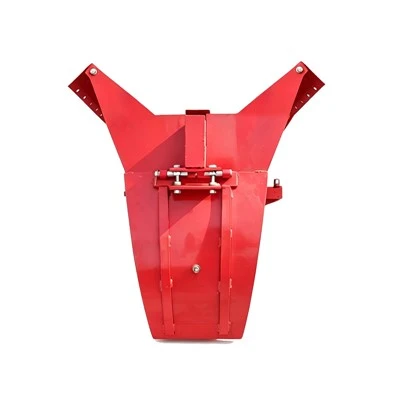
Soil Preparation Implements
One of the fundamental aspects of horticultural farming is soil preparation. The quality of the soil directly impacts the growth and health of the plants. For this stage of farming, several implements prove invaluable.
Tillers
Tillers are a staple in horticultural farms. These machines are designed to break up and aerate the soil, making it more receptive to seeds and plant roots. There are two main types: front – tine and rear – tine tillers. Front – tine tillers are generally more lightweight and maneuverable, making them ideal for small – scale horticultural farms or areas with tight spaces. They are also easier to operate, which is great for novice farmers. Rear – tine tillers, on the other hand, are more powerful. They can dig deeper into the soil and handle tougher, more compacted ground. They are better suited for larger horticultural operations where more extensive soil preparation is required.
The benefits of using tillers are numerous. By aerating the soil, tillers improve water infiltration and drainage, which is crucial for preventing waterlogging and root rot in plants. They also help to mix organic matter, such as compost or manure, into the soil, enriching it with essential nutrients.
Plows
Plows have been used in farming for centuries, and they still have a place in horticultural farms. While they are more commonly associated with large – scale agricultural operations, certain types of plows can be adapted for horticultural use. For example, a moldboard plow can be used to turn over the soil, burying weeds and crop residues and bringing fresh, nutrient – rich soil to the surface. However, it’s important to note that plowing can be quite disruptive to the soil structure, so it should be used judiciously in horticultural settings.
Planting Implements
Once the soil is prepared, it’s time to plant the crops. Different horticultural crops may require different planting methods, and there are implements available to suit each need.
Seed Drills
Seed drills are an excellent choice for sowing seeds in rows. They ensure that the seeds are planted at a consistent depth and spacing, which is essential for uniform germination and growth. This is particularly important in horticulture, where precise spacing can maximize the use of available space and improve the overall yield of the crop. Seed drills can also be adjusted to accommodate different types and sizes of seeds, making them a versatile implement for horticultural farms.
Transplanters
For crops that are started in greenhouses or nurseries and then transplanted into the field, transplanters are a must – have. These machines can significantly reduce the labor and time required for transplanting. They are designed to dig holes, place the seedlings in them, and cover the roots with soil in a single operation. Some transplanters can even water the seedlings as they are being planted, ensuring a smooth transition from the nursery to the field.
Irrigation Implements
Proper irrigation is essential for the health and growth of horticultural crops. There are several types of irrigation implements that can be used on horticultural farms.
Drip Irrigation Systems
Drip irrigation systems are highly efficient and are widely used in horticulture. They deliver water directly to the base of the plants, minimizing water waste through evaporation and runoff. This targeted approach also helps to prevent the development of fungal diseases, as the foliage remains dry. Drip irrigation systems can be customized to suit the specific needs of different crops and soil types, and they can be automated, making them convenient for farmers.
Sprinklers
Sprinklers are another common irrigation option for horticultural farms. They distribute water over a large area in a manner similar to rainfall. There are different types of sprinklers, including stationary and rotating sprinklers. Stationary sprinklers are suitable for small areas, while rotating sprinklers can cover larger fields. Sprinklers are useful for watering large numbers of plants quickly, but they may not be as water – efficient as drip irrigation systems.
Crop Protection Implements
Protecting crops from pests, diseases, and weeds is a constant challenge in horticulture. There are several implements available to help farmers with this task.
Sprayers
Sprayers are used to apply pesticides, herbicides, and fertilizers to crops. There are different types of sprayers, including handheld sprayers, backpack sprayers, and tractor – mounted sprayers. Handheld sprayers are suitable for small – scale operations or for spot – treating individual plants. Backpack sprayers are more portable than tractor – mounted sprayers and can be used for medium – sized horticultural farms. Tractor – mounted sprayers are the most powerful and are ideal for large – scale horticultural operations.
Weeders
Weeders are designed to remove weeds from the soil. There are manual weeders, such as hoes and hand – held weeders, which are suitable for small areas or for precision weeding. For larger areas, mechanical weeders, such as rotary weeders or tine weeders, can be used. These machines can cover more ground quickly and are more efficient than manual weeding.
Harvesting Implements
The final stage of horticultural farming is harvesting. Different crops require different harvesting methods and implements.
Harvesters
For crops such as fruits and vegetables, there are specialized harvesters available. For example, tomato harvesters are designed to pick tomatoes at the right stage of ripeness without damaging the fruit. These machines can significantly reduce the labor and time required for harvesting, especially in large – scale horticultural operations.
Pruners
Pruners are used for harvesting certain crops, such as grapes and some types of berries. They are also used for pruning plants to promote healthy growth. There are different types of pruners, including hand pruners, loppers, and pruning saws, each suitable for different types of pruning tasks.
In conclusion, choosing the right farm implements for horticultural farms is crucial for the success of the operation. Each implement plays a specific role in the cultivation process, from soil preparation to harvesting. As a farm implements supplier, I understand the unique needs of horticultural farmers and can provide expert advice on selecting the most suitable implements for your farm. Whether you’re a small – scale grower or managing a large horticultural operation, having the right tools can make all the difference in terms of efficiency, productivity, and the quality of your crops.
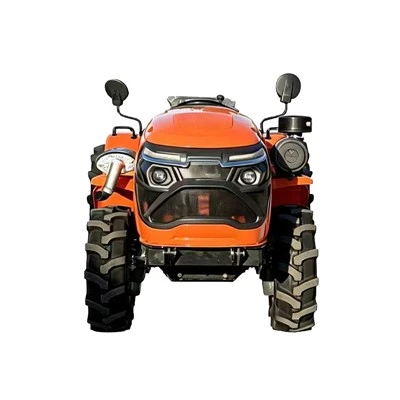
If you’re interested in learning more about the farm implements we offer or would like to discuss your specific horticultural farming needs, I encourage you to reach out. Our team of experts is ready to assist you in finding the perfect solutions for your farm.
Tractor References
- "Farm Machinery and Equipment" by Neil S. Gates
- "Horticulture: Principles and Practices" by Leonard P. Perry
Shandong Jiayuan Agricultural Equipment Co., Ltd.
As one of the most professional farm implements manufacturers and suppliers in China, we have world-leading production equipment and strong manufacturing capabilities. Please feel free to buy advanced farm implements for sale here from our factory.
Address: No.2, No.002777 Zhongjiang West 4th Street, Yangzi Subdistrict, Binhai District, Weifang City, Shandong Province, China
E-mail: sdjynyzb@163.com
WebSite: https://www.jiayuantractor.com/
