What is the Texture of Aluminum Cladding Panels?
As a dedicated supplier of aluminum cladding panels, I’ve witnessed firsthand the transformative power and widespread appeal of these architectural materials. Aluminum cladding panels have become a cornerstone in modern construction, due to their durability, versatility, and aesthetic flexibility. One of the most captivating aspects of these panels is their texture, which can significantly impact the overall look and feel of a building. Aluminum Cladding Panel
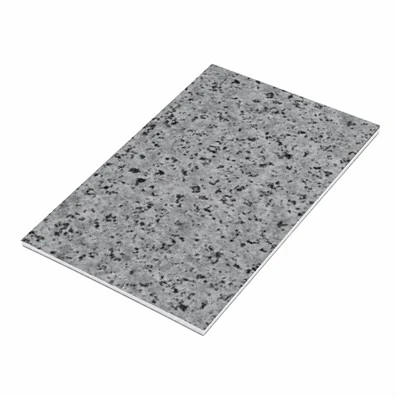
Let’s start by understanding what texture means in the context of aluminum cladding panels. Texture refers to the surface quality of the panels, which can create visual and tactile effects. It provides a sense of depth, dimension, and character to the building’s exterior, making it stand out among the urban landscape. The texture of aluminum cladding panels is not just for decoration; it also serves functional purposes, such as improving the panel’s resistance to weathering, reducing glare, and enhancing the overall performance of the building envelope.
There are several types of textures available for aluminum cladding panels, each with its unique characteristics and applications.
Smooth Texture
The smooth texture is perhaps the most common and classic option for aluminum cladding panels. It offers a clean, sleek, and modern look that is perfect for contemporary buildings. Panels with a smooth texture have a reflective surface that can catch and play with light, creating a dynamic and visually appealing effect. This texture is also easy to clean and maintain, making it a practical choice for high – traffic areas or buildings in urban environments.
The manufacturing process for smooth aluminum cladding panels involves precise milling and polishing techniques. After the aluminum sheets are formed into panels, they undergo a series of grinding and buffing processes to achieve a mirror – like finish. This high – precision manufacturing ensures that the panels have a consistent appearance and high – quality surface. Smooth panels can be used in a variety of architectural styles, from minimalist to post – modern, and are often seen in commercial buildings, such as offices, shopping malls, and hotels.
Embossed Texture
Embossed textures add a three – dimensional quality to aluminum cladding panels. This texture is created by pressing a pattern or design onto the surface of the panel. The result is a raised pattern that not only adds visual interest but also provides a tactile element. Embossed textures can mimic natural materials such as wood grains, stone, or fabric, giving the building an organic and warm look.
For example, a wood – embossed aluminum cladding panel can bring the charm of natural wood to a modern building without the associated maintenance issues, such as rot, insect damage, and fading. Stone – embossed panels can provide a rugged and durable appearance, similar to that of real stone, at a fraction of the cost. The embossing process is highly customizable, allowing architects and designers to choose from a wide range of patterns or even create their own unique designs.
Embossed aluminum cladding panels are often used in both commercial and residential buildings. In commercial settings, they can be used to add a touch of elegance and sophistication to a building’s exterior. In residential applications, they can help blend the building with its natural surroundings or create a distinctive look that sets the home apart from the neighbors.
Brushed Texture
Brushed aluminum cladding panels have a distinctive linear pattern created by brushing the surface of the aluminum with abrasive materials. This process aligns the grain of the metal, resulting in a subtle, matte finish with a soft sheen. The brushed texture gives the panels a sophisticated and industrial look, making them a popular choice for modern and minimalist architecture.
The brushed texture offers several practical benefits in addition to its aesthetic appeal. It helps to hide fingerprints and scratches, making it a great option for high – use areas. Brushed aluminum panels also have a reduced glare compared to smooth panels, which can be beneficial in buildings located in areas with strong sunlight.
These panels are commonly used in architectural features such as facades, column wraps, and interior partitions. Their versatility allows them to be used in a variety of color finishes, further enhancing their design possibilities.
Anodized Texture
Anodizing is an electro – chemical process that creates a durable oxide layer on the surface of aluminum cladding panels. This layer not only provides excellent corrosion resistance but also can be used to create a unique texture. Anodized panels can have a range of textures from smooth to a more textured, matte finish, depending on the anodizing process and the type of aluminum alloy used.
The anodizing process can also be used to add color to the panels. The oxide layer can absorb dyes, allowing for a wide range of color options. Anodized aluminum cladding panels with a textured finish are often used in high – end architectural projects where both durability and aesthetics are important. Their resistance to fading and chipping makes them ideal for long – term outdoor applications.
When considering the texture of aluminum cladding panels for a project, several factors need to be taken into account.
Firstly, the architectural style of the building is crucial. For example, a traditional building may benefit from a textured panel that mimics natural materials, such as a stone – embossed or wood – embossed finish, to blend in with its surroundings. On the other hand, a modern, minimalist building may be better suited for smooth or brushed textures to maintain a clean and contemporary appearance.
Secondly, the environmental conditions of the building’s location are significant. In areas with high humidity, salty air, or extreme weather conditions, panels with a durable texture, such as anodized or smooth finishes, are recommended due to their superior resistance to corrosion and weathering. In contrast, areas with less harsh environmental conditions may have more flexibility in texture selection based on aesthetic preferences.
Thirdly, the budget for the project can influence the texture choice. Some textures, such as those created through complex embossing or anodizing processes, may be more expensive than basic smooth or brushed textures. Architects and project managers need to balance the desired aesthetic with the available budget.

As a supplier of aluminum cladding panels, I understand the importance of texture in creating a successful architectural project. We offer a wide range of textures to meet the diverse needs of our clients. Whether you are looking for a smooth, modern finish for a contemporary office building or an embossed wood texture for a rustic – style home, we have the expertise and products to bring your vision to life.
Aluminum Wall Panels If you are in the process of planning an architectural project and considering aluminum cladding panels, I encourage you to reach out. Our team of experts can provide in – depth information about the different textures, their applications, and cost implications. We can also assist you with samples so that you can see and feel the textures firsthand. Contact us to discuss your specific requirements and start the journey towards a stunning and functional building design.
References
- Moss, B. (2019). Aluminum Cladding in Contemporary Architecture. Architectural Press.
- Smith, J. R. (2020). Surface Finishes for Metal Building Envelopes. Construction Materials Journal.
- Thompson, L. (2018). The Aesthetics and Functionality of Aluminum Exterior Cladding. Journal of Architectural Design.
Zhejiang Ouzhijie Aluminium Co., Ltd.
We are one of the most professional aluminum cladding panel manufacturers and suppliers in China, featured by high quality customized products. Please rest assured to wholesale bulk aluminum cladding panel for sale here from our factory. Also, quotation is available.
Address: No.277 Shuguang Road,Tudian Industrial Zone,Tongxiang City, Zhejiang Province, China
E-mail: Ada@ozjpanel.com
WebSite: https://www.ozjpanel.com/
