Alright, let’s cut to the chase—if you’ve ever stared at a mining rig rumbling through a rock pile, you’ve probably spotted sprockets without even realizing it. As a sprocket supplier, I get asked this all the time: Do we actually use these little gear wheels in mining? Short answer? Hell yeah—they’re the unsung heroes that keep $10M+ pieces of heavy equipment from seizing up mid-shift. Let’s break this down like I would with a guy picking out parts for his next mine job. Sprocket
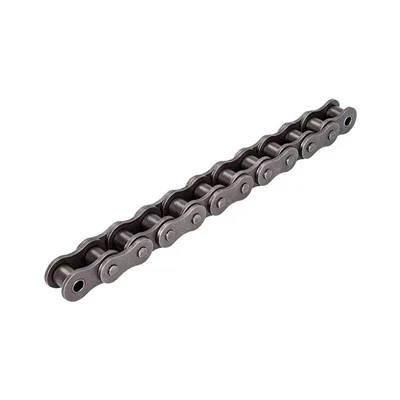
First off, let’s get on the same page: a sprocket isn’t your bike’s tiny gear. Mining sprockets are beefy—think 200+ pounds, made of alloy steel that can take a beating, and they mesh with chains (or sometimes cables) to transfer torque. But why are they non-negotiable here, unlike, say, a car? Because mining equipment doesn’t mess around. We’re talking about loaders hauling 40-ton rocks, conveyors moving 10,000 tons of ore an hour, and excavators digging through hard rock that’d snap a regular gear in two. Sprockets handle that rotational force without slipping—something regular gears can’t do when there’s mud, rock dust, and 24/7 grinding.
Let’s start with the big players: heavy-duty loaders (the ones with the massive buckets) and draglines. Those draglines? The ones that swing a 100-yard bucket over a pit? Their main hoist and boom chains run directly on sprockets. If that sprocket wears down even 1/8 of an inch, the chain starts skipping, and suddenly you’ve got a $50k repair bill and a mine that’s shut down until they fix it. I’ve had a customer call me at 2 a.m. last winter because a sprocket on their front-end loader gave out at a remote site in Alberta. Turns out, the original sprocket was made of cheap steel and couldn’t handle the -20°F cold, which makes metal brittle. We rushed a custom-forged replacement, got it on a plane, and they were back up by noon. That’s the thing about mining—time isn’t money, it’s millions.
Next up: conveyor systems. You see these at every mine, from surface ops to underground. A typical overland conveyor uses 10+ sprocket assemblies to drive the belt, which can stretch 10 miles. If even one sprocket fails, the whole line stops. And mining conveyors aren’t for carrying sand—they’re hauling raw ore, sometimes with sharp, angular pieces that abrade everything they touch. So our sprockets here have to have hardened teeth—we use induction hardening on the contact points so they don’t wear down too fast. I can’t tell you how many times a mine’s maintenance crew comes to us because their stock sprockets are lasting 6 months, and they need ones that go 18 months without replacement. That’s where our custom machining pays off—we tweak the pitch and tooth profile to match their exact chain, so less slippage, less wear on the whole system.
Don’t sleep on underground mining either. It’s a way dirtier, tighter space, so equipment is more compact but just as tough. Continuous miners (the ones that carve tunnels) use sprockets for their cutting drums and transport chains. The air’s full of coal dust and rock particles, so sprockets here have to be sealed better—no loose debris getting between the teeth and chain. I worked with an underground mine in West Virginia a while back; their old sprockets had open bearings, and dust would get in, seizing them up every couple of weeks. We supplied sealed, grease-packed sprockets, and that interval stretched to 3 months. Saved them a fortune in downtime.
Wait, what about track systems? Oh, right—excavators, bulldozers, and even the smaller utility vehicles at mines use track sprockets (usually called drive sprockets). Those are the ones that sit at the front of the track assembly, pulling the tracks forward. When you’re crawling over uneven terrain, climbing 30-degree slopes, and dragging 100 tons of equipment, that sprocket is taking constant impact. If a tooth chips, the track can derail, and you’ve got a machine stuck in a pit. I once got a panicked call from a mine in Australia where an excavator’s drive sprocket had a broken tooth mid-shift. They tried to cobble it with a weld, but it didn’t hold—we had a replacement made locally that day, but they still lost 8 hours of production. Lesson learned: don’t skimp on track sprockets.
Now, let’s talk about why a lot of mines mess up here. They often buy generic sprockets from a big industrial supplier, not realizing that mining conditions are way different than, say, agriculture or construction. Farming might use sprockets on harvesters, but that’s temporary, cleaner work. Construction equipment might have sprockets, but it’s not running 24/7 in 110°F heat with rock dust. Mining sprockets need to be matched to their exact equipment model, chain size, load capacity, and even the climate. That’s where we come in—we don’t just sell a sprocket off the shelf. We ask questions: What equipment is it going on? How many hours a day do you run it? What’s the ore like? Is it surface or underground? Then we spec the right material (alloy steel, sometimes even chrome-plated for extra abrasion resistance) and the right tooth profile to minimize wear.
I know some guys in the industry think “a sprocket’s a sprocket” but that’s not true. A sprocket for a 50-ton loader is way different than one for a 10-ton truck. The pitch of the chain has to be exact—off by even a millimeter, and the chain will wear faster, or the sprocket will skip. We use CNC machines to cut our sprockets, so the tolerances are within 0.001 inches. That might sound overkill, but when you’re moving 10,000 tons of ore an hour, that precision adds up to less downtime and lower long-term costs.
Another thing: maintenance. Sprockets don’t last forever, but you can extend their life with regular checks. We tell our mining customers to inspect the teeth every 500 hours, check for wear or chips, and lubricate them properly. A lot of mines skip lubrication because they think “it’s in a dusty environment, so grease just traps dirt”—but we use a high-pressure, waterproof grease that pushes debris out instead of holding it in. That small tip has saved so many of our clients from early sprocket failure.
Now, let’s address the elephant in the room: are there alternatives? Some mines are testing electric drives with direct motors, but they still need sprockets for the auxiliary systems—like conveyor take-ups or track tensioners. Plus, direct drives have their own issues: if the motor dies, you’re replacing a $50k unit, whereas a sprocket is a $2k part. Sprockets are still the most reliable, cost-effective way to transfer torque in heavy mining gear. They’re simple, sturdy, and easy to replace—no fancy electronics, just metal and chain. That’s why they’ve been around for centuries, and they’re not going anywhere in mining anytime soon.
Here’s the thing about working with mining guys: they don’t care about jargon or flashy marketing. They care about parts that work when they need them, no questions asked. As a sprocket supplier, that’s what we deliver. We’ve got spares in stock for all the major mining equipment brands—Cat, Komatsu, Hitachi—so if you call at 2 a.m., we can get a replacement on its way before you even hang up. We also do custom orders for unique setups, like that dragline in Canada that had a weird chain pitch we had to machine from scratch.
If you’re a mine maintenance manager, equipment operator, or procurement guy reading this, and you’re tired of sprockets that fail too soon, or waiting weeks for a replacement when you need it now—hit us up. We’ll walk through your exact needs, send over a quote fast, and make sure you’ve got parts in stock when those critical shifts start. No runaround, no overpriced junk, just straight talk and sprockets that hold up to the mining grind.
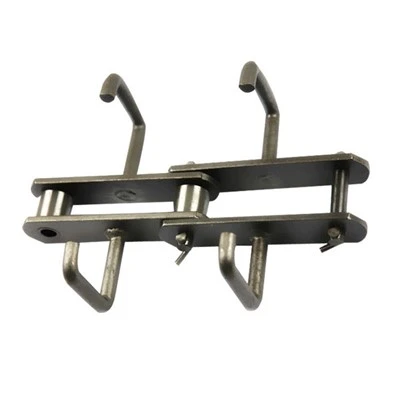
At the end of the day, mining is all about reliability. Every part on that equipment has to work, and sprockets are the quiet backbone of that. They don’t get the fanfare of the giant buckets or the huge conveyors, but without them, the whole operation grinds to a halt. So yeah—sprockets are absolutely used in mining equipment, and they’re way more important than most people think. If you’re in the market for sprockets that can take the heat, the dust, and the constant beating of a mining site, reach out to get connected for a procurement discussion right away.
Sprocket References: 1. Mine Safety and Health Administration (MSHA). "Heavy Equipment Maintenance in Surface and Underground Mining Operations." 2. Komatsu Mining Corp. "Component Wear and Maintenance Guidelines for Heavy Mining Machinery." 3. American Society of Mechanical Engineers (ASME). "Design and Selection of Power Transmission Components for Extreme Industrial Environments."
Anhui Huihuang Chain Transmission Co., Ltd.
Anhui Huihuang Chain Transmission Co., Ltd. is one of the most professional sprocket manufacturers and suppliers in China, also supports high quality customized service. Please feel free to buy discount sprocket made in China here from our factory. Welcome to contact us for pricelist and free sample.
Address: NO.3 YONGQIANG ROAD. JIXI.ANHUI.CHINA
E-mail: 754590660@qq.com
WebSite: https://www.hhchains.com/
