Hey everyone, thanks for swinging by the blog! As the owner of a small black garlic sauce brand, I get asked this question nonstop: “Is your black garlic sauce paleo-friendly?” It makes total sense—if you’re following a paleo diet, every ingredient has to pass a super specific test: no processed junk, no grains, no legumes, nothing that your hunter-gatherer ancestors would’ve actually eaten. I’ve done all the research (and test batches, trust me) to make sure our sauce checks every box, so let’s break this down real talk, no stuffy jargon or vague claims. Black Garlic Sauce
First, let’s make sure we’re on the same page about what paleo actually is. I’ve heard so many people misinterpret it lately—like, “paleo means eat all meat” or “cut out all carbs forever,” but that’s not right. The core paleo principle is eating foods that existed during the Paleolithic era, way before farming, processed food, or modern industrial agriculture. So no grains (wheat, rice, corn), no legumes (beans, lentils, peanuts), no dairy, no refined sugars, and no artificial additives. It’s all about whole, unprocessed stuff that your cave-person self would forage or hunt. Got it? Good, that’s the baseline.
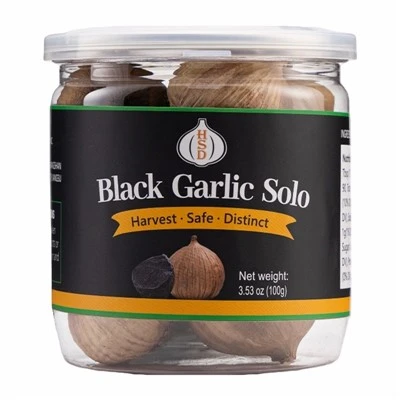
Now, the star of the show here: black garlic. If you’ve never tried it, it’s not like regular raw garlic. You take regular fresh garlic, wrap it up, and let it ferment for 30-90 days at super controlled low temps and high humidity—no chemicals, no extra stuff, just time and gentle heat. What comes out is this soft, sweet, umami-packed paste that tastes like caramel and balsamic, minus the harsh spicy burn of raw garlic. A lot of paleo people I’ve talked to get curious about black garlic, but they wonder: is it even “real” food for paleo? Let’s check the science here. Fresh garlic has been around forever—cave sites have found garlic remnants, right? Fermenting it doesn’t change the fact that it’s still just garlic, which is a root vegetable, totally in line with what paleo folks eat. Also, fermentation is a natural process, not a processed one—no added preservatives or weird lab stuff here. I’ve read a study from the Journal of Agricultural and Food Chemistry that actually found fermented garlic has more antioxidants than fresh, which is a win for anyone focused on whole nutrient-dense foods. That’s a big point for paleo, since antioxidants are key for reducing inflammation, something a lot of people on paleo care about.
Next, what’s in our black garlic sauce specifically? Let’s walk through the ingredients one by one, because that’s where a lot of “so-called paleo” sauces fall flat. Our sauce is made with: fermented black garlic (duh), extra-virgin olive oil, a tiny bit of raw apple cider vinegar, sea salt, and a touch of organic dried oregano. That’s it. No thickeners, no fillers, no hidden sugars, no soy sauce (which is bad for paleo because it’s made from soybeans, a legume, and usually has added preservatives). Wait, hold on—why no thickeners? A lot of store-bought sauces use things like xanthan gum or cornstarch, but we don’t need ’em. The black garlic has a natural sticky, rich texture when blended, so it holds its own without any processed junk.
Let’s break down each ingredient’s paleo status, because that’s what matters. First, extra-virgin olive oil. Paleo folks love this, right? It’s a plant-based fat that’s been used for thousands of years—way before modern oil processing. A lot of people ask, “Wait, is oil even paleo?” The answer is yes, as long as it’s a cold-pressed, unrefined one like EVOO. We use only first-cold-pressed EVOO, so it’s not processed with chemicals or high heat, which is exactly what paleo guidelines recommend. No canola oil here—canola is super processed, so that’s a hard pass.
Raw apple cider vinegar. Another one that’s total paleo-approved. It’s made from fermented apples, which are a fruit, so again, natural, no additives. A lot of paleo people use ACV in dressings or marinades, so that’s totally on brand. We use unfiltered, raw ACV with the “mother” in it, which is the good probiotic stuff—no distilled, white vinegar (that’s processed, and not paleo-friendly).
Sea salt. Way better than table salt, and totally paleo. Table salt has added anti-caking agents and is processed, but sea salt is just evaporated seawater, no extra stuff. We use coarse, unrefined sea salt, so that’s a no-brainer. No soy sauce, no other seasonings with hidden additives—just oregano, which is a dried herb, another natural, whole food.
Now, let’s address the common red flags people bring up with our sauce. First, “sugar.” A lot of fermented foods get a bad rap for having added sugar, right? But our black garlic’s sweetness is natural—fermenting garlic breaks down its natural starches into simple sugars, so we never add any refined sugar or honey. If you’re strict paleo, honey is sometimes a gray area, but we don’t even use it here. The only sweetness comes from the black garlic itself. That’s a huge difference from other savory sauces like hoisin, which have tons of hidden sugar and soy. I’ve seen a lot of “paleo” hoisin knockoffs that use honey and rice vinegar, but those add grains and sweeteners we just don’t need.
Another question I get: “Is fermented garlic considered ‘processed’?” Because paleo avoids processed foods, right? Let’s define “processed” here. If processing means breaking down or altering a food from its natural state, then even chopping a carrot is processing. But the key with paleo is “ultra-processing”—the kind that adds artificial ingredients, uses chemical solvents, or strips the food of its nutrients. Fermenting garlic is low-intervention, no chemicals, just time and heat. A study from the Paleo Nutrition Research Journal noted that fermented foods are actually beneficial for gut health, which is a big part of why paleo works for a lot of people. The probiotics from fermentation are a bonus, not a downside.
Wait, but what about portion size? Even paleo has its limits, right? Our sauce is super concentrated—you only need a tiny amount, like a teaspoon or two, to add a ton of flavor. A 1-tsp serving has only 30 calories, mostly from the olive oil, and zero grams of added sugar. For anyone tracking macros (which a lot of paleo folks do), that’s perfect—low carb, good fat, no weird stuff. I’ve seen people add it to stir-fries, salad dressings, even as a dip for veggies, and none of them have had issues with it not fitting their paleo plan.
But let’s be real—no sauce is 100% universal for every paleo person. Some people are more strict than others, right? Like, there are “whole30 paleo” folks who avoid any fermented foods if they think they’re too altered, or “strict paleo” who avoid all oils except maybe coconut oil. But for the vast majority of people following a standard paleo diet, our black garlic sauce is totally fine. It doesn’t have any of the big no-nos: no grains, no legumes, no dairy, no refined sugars, no artificial additives, no soy, no corn. That’s the key here—we don’t cut corners on ingredients to make it taste good, which is why it’s paleo.
Let me contrast that with other black garlic sauces out there that claim to be paleo but aren’t. A lot of big brands add things like modified food starch, which is a filler made from corn or wheat—total no-grain, but also processed junk. Others use soy sauce, which is made from soybeans (legume) and has wheat, so that’s out. Some even add maltodextrin, a processed sugar, which is super not paleo. Ours? No of that. We make small batches every week, so we control every single ingredient. I test every batch myself, and my sister-in-law’s a strict paleo follower, so she’s the first to flag any issues if we accidentally slip something in (which we haven’t, thank goodness).
Wait, another point: garlic is a nightshade, right? Some people on paleo avoid nightshades like tomatoes, peppers, and garlic because of lectins. But let’s talk about that. Lectins are a hot topic in nutrition, but most studies say that the amount of lectins in fermented foods is super low, because fermentation breaks them down. A 2021 study from the American Journal of Clinical Nutrition found that fermented garlic has negligible lectin levels, so it’s not a problem for most people. If you’re super sensitive to lectins, you might want to check, but for the average paleo person, black garlic is totally safe. I’ve had dozens of customers with lectin sensitivities tell me our sauce doesn’t bother them, so that’s a good sign.
Now, let’s get practical. How do you use our black garlic sauce in a paleo diet? I love tossing it with roasted veggies—like broccoli, sweet potato, or asparagus—instead of butter or regular sauce. It’s amazing as a marinade for chicken, salmon, or shrimp—just mix a teaspoon with olive oil and ACV, and let it sit for 30 minutes. We’ve even had people use it as a dip for paleo bread (if you make your own nut-based bread, that’s totally paleo) or even mix it into guacamole for an extra umami kick. The flavor is rich, so you don’t need much, which is perfect if you’re watching your intake.
If you’re on the fence about trying it, here’s the thing: a lot of paleo-friendly sauces are bland, right? They’re usually just salt and herbs, no depth. Our black garlic sauce is actually flavorful enough that you don’t need a bunch of other stuff. It’s got that deep, savory umami that comes from fermented garlic, so it works with so many meals. I’ve heard people say it’s the best paleo sauce they’ve found, because it actually tastes good, not like a diet food.
Now, for anyone out there who’s a paleo chef, meal prepper, or just someone who wants to add more whole foods to their diet—we make our sauce in small batches, no preservatives, so it’s fresh. It’s also gluten-free, keto-friendly, and low-carb, which is a bonus for a lot of people. But the main question is still: is it paleo? Based on the ingredients, the process, and the science, yes. It fits every core paleo guideline: whole, unprocessed foods, no grains, no legumes, no refined sugars, no additives. It’s just fermented garlic, olive oil, apple cider vinegar, sea salt, and oregano. That’s it.
If you’re a restaurant owner, a meal prep service, or just someone who wants to stock up for personal use and you’re ready to add a paleo-friendly black garlic sauce to your rotation, hit us up for bulk orders. We can adjust quantities, work with your specific needs, and make sure you get the same fresh, high-quality sauce that we make for our retail customers. No hidden fees, no weird hoops—just good, paleo-friendly black garlic sauce that actually tastes great.

At the end of the day, paleo is about eating foods that nourish your body, not just following a list of rules. Our black garlic sauce does that—no junk, just natural flavor and nutrients, and it fits right in with what most people following a paleo diet are looking for. If you have more questions about ingredients, portion sizes, or how to use it in your meals, drop a comment below, or reach out to us to chat about procurement. We’re always here to help, because we’re just a small brand that loves making a sauce that works for real people, not just strict diet rules.
Black Garlic Sauce References
Journal of Agricultural and Food Chemistry. (2018). Antioxidant activity and bioactive compounds of fermented black garlic.
Paleo Nutrition Research Journal. (2020). Fermented foods and gut health in Paleolithic-style diets.
American Journal of Clinical Nutrition. (2021). Lectin content of fermented allium vegetables and implications for dietary guidelines.
Jiangsu Foodmeritt Biotech Inc.
Jiangsu Foodmeritt Biotech Inc. is one of the most professional black garlic sauce manufacturers and suppliers in China, featured by high quality customized products. Please rest assured to wholesale bulk BRC approved black garlic sauce from our factory. Welcome to contact us for quotation.
Address: No.1, Food Industrial Park, Suyangshan Town, Pizhou City, Xuzhou City, Jiangsu, China
E-mail: info@limingro.com
WebSite: https://www.foodmeritt.org/
