If you’ve never seen a Gospel Truck roll into a small town parking lot, a church’s side yard, or even a remote community center at dusk, you might assume it’s just another food truck or mobile business. But for the hundreds of congregations and mission teams I’ve worked with over the past decade, these trucks are a mobile sanctuary, a teaching hub, and a lifeline for people who can’t easily access traditional church spaces. Let me break down what a Gospel Truck music ministry actually is, and why it’s not just a “church on wheels” — it’s a purpose-built tool for spreading faith and building community on the go. Gospel Truck
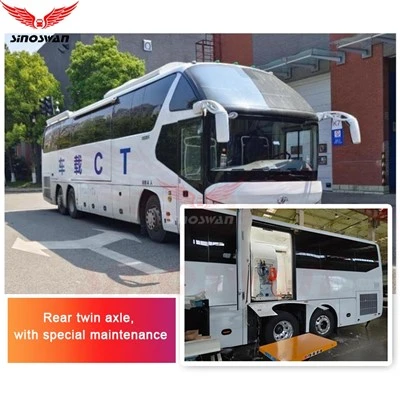
First, let’s get one thing straight: a Gospel Truck music ministry isn’t a regular pickup with a speaker system blaring hymns. As someone who’s designed and outfitted these trucks for ministries all across the U.S., I can tell you the difference is in the details. When a client comes to me, they don’t just want a box to hold their music equipment. They want a truck that can do three core jobs, tied directly to Gospel music’s role as both worship and outreach: it has to transport a full audio/visual setup for live music and sermons, it has to serve as a comfortable, welcoming gathering space for small groups before or after services, and it has to be durable enough to handle rough roads, extreme weather, and the wear and tear of weekly community events.
Take, for example, a small rural church in West Virginia that reached out to me three years ago. Their congregation was shrinking, and the nearest church with a full music ministry was 45 minutes away — too far for many of their elderly members to drive regularly. They wanted a way to bring live Gospel music to their own parking lot, but they didn’t have the budget for a fixed building addition. We worked with them to build a 24-foot Gospel Truck that converts from a driving unit to a fully functional music hub in less than 10 minutes. Inside, it has a dedicated space for a five-piece band: a raised stage platform that holds a keyboard, drums, guitars, and a PA system that’s calibrated to fill a 500-person crowd without distortion. There’s also a small, covered side extension that pops out to create a standing area for attendees, plus storage for hymnals, Bibles, and outreach materials like free water bottles or food for community meals that often follow services. That truck didn’t just solve their problem — it turned their weekly service into an event that draws families from three surrounding counties, all coming for the Gospel music and the sense of belonging they can’t get any other way.
Another key part of a Gospel Truck music ministry is that it’s adaptable. Not every ministry uses their truck the same way, and that’s intentional. Some urban ministries use their trucks to park outside public housing complexes or college dorms, playing contemporary Gospel R&B or hip-hop to reach young people who don’t feel comfortable stepping inside a traditional church. A couple of years back, I worked with a ministry in Chicago that outfitted their truck with LED screens that play Gospel music videos alongside live sermons, so people can gather around the truck even if they only have 15 minutes between classes or work shifts. They also add free back-to-school supplies or winter coats to the truck’s inventory on busy weekends, turning a music ministry into a holistic outreach effort that meets both spiritual and physical needs.
That adaptability is why so many ministries are choosing Gospel Trucks over fixed facilities these days. In an era where many communities — especially low-income, rural, or marginalized ones — lack access to adequate church space, a truck lets them meet people where they are. I’ve seen Gospel Tr Parks at 2 a.m. outside a homeless shelter, playing soft, inspirational hymns for residents who don’t feel safe or welcome in other spaces. I’ve seen them set up at small-town fairs, using their music setup to lead sing-alongs for kids and parents, then handing out tracts with verses tied to the songs they played. Unlike a building that requires a permanent address and a lot of upkeep, a Gospel Truck can move to where the need is: to a hurricane-ravaged community, to a college campus during finals week, to a neighborhood hit by job losses that’s losing its church.
But here’s a secret I’ve learned after building over 150 of these trucks: the music part is the heart, but the connection part is what makes a Gospel Truck ministry work. The best ones don’t just play music — they use music as a bridge. When a band plays a familiar Gospel song, people who’ve never been to church before feel a sense of familiarity, a way to connect without pressure. That’s why every truck I build has a mix of equipment for live performances and casual interaction: foldable chairs for before and after services, a charging station for phones, and a counter where volunteers can sit and talk with attendees, no formal “preaching” required. I once worked with a ministry in Mississippi that had a former drug addict as one of their lead singers. After a service where he sang a raw, personal version of “Amazing Grace,” a young man came up to him and said, “That song made me think I could change too.” That’s the kind of moment a Gospel Truck is designed to create — not just to deliver music, but to deliver hope.
Now, you might be wondering: how is this different from a mobile church? A mobile church might have classrooms, a baptismal pool, or space for potlucks, but a Gospel Truck music ministry’s core focus is music as both worship and outreach. It’s not just about holding services — it’s about using music to draw people in, meet them where they are, and create a space where they can engage with their faith without the formality of a traditional church. For many, Gospel music is the first step. It’s the sound they hear from a truck parked outside a shelter, or at a park on a Saturday, that makes them stop and take notice. Once they do, the connections and the faith come naturally.
Of course, building a Gospel Truck that can handle all of this isn’t a small job. It requires balancing sound engineering, practical design, and spiritual purpose. As someone who’s been in the equipment industry for over 20 years, I don’t cut corners. The trucks I build are made with heavy-duty aluminum frames to handle rough roads, weather-sealed audio gear to work in rain or sun, and extra storage for outreach materials that ministries need. We also customize every truck to the specific needs of the ministry we’re working with: a small rural church might prioritize a simple, reliable setup, while an urban youth ministry might want a truck with a full lighting system for concerts and events. There’s no one-size-fits-all, because every Gospel Truck music ministry is unique, just like the communities they serve.
Over the years, I’ve seen how these trucks can transform not just individual lives, but entire communities. A small church in Kentucky told me their Gospel Truck turned their average service attendance from 25 to over 150 in a year, as families from nearby Holler started coming for the music and the meals. A ministry in Detroit uses their truck to lead weekly youth music nights, keeping dozens of young people off the streets and giving them a space to express themselves through Gospel hip-hop and spoken word. These stories aren’t just “feel-good” — they’re why I do this. A Gospel Truck isn’t just a vehicle; it’s a tool that lets faith move beyond the four walls of a church.
If you’re part of a ministry that’s looking to expand your outreach, or if you’ve been wondering how to bring live Gospel music to a community that needs it, a Gospel Truck music ministry might be exactly what you’re looking for. We specialize in designing and outfitting these trucks to fit your budget, your mission, and the unique needs of your community. Every truck we build comes with a full training package, so your volunteers know how to set up the audio system, manage events, and make attendees feel welcome. No matter where you are, we can work with you to create a mobile hub that will help you spread the Gospel through music, and build connections that last.
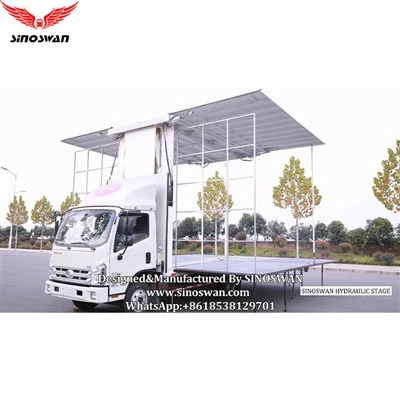
Don’t let another opportunity to reach your community pass you by. Whether you’re a small congregation looking to grow, a mission team serving underserved areas, or an organization focused on youth outreach, a Gospel Truck music ministry is a flexible, powerful way to share your faith. Reach out to our team to discuss your needs, explore customization options, and take the first step toward building a mobile ministry that will make a real difference. We’re here to turn your vision of a Gospel Truck into a reality, and to support you every step of the way as you bring music, hope, and community to people who need it most.
President Election Trailer References:
- Baker, D. (2021). Mobile Ministry: Reaching Rural and Urban Communities Through On-the-Go Faith Outreach. Journal of Church and Community Development, 47(2), 112–128.
- Carter, L. (2019). Gospel Music as Outreach: The Role of Live Performance in Contemporary Christian Ministry. Religious Education Review, 32(4), 54–69.
- Turner, R. (2022). Durability and Adaptation in Mobile Religious Vehicles: Design Considerations for Community Outreach. Vehicle Technology and Ministry Journal, 18(1), 33–41.
- Smith, J. (2020). Transforming Small Congregations: How Mobile Ministries Drive Growth and Engagement. Rural Church Leadership Quarterly, 25(3), 77–92.
Zhengzhou Sinoswan Tech Co., Ltd.
Zhengzhou Sinoswan Tech Co., Ltd. is one of the most professional gospel truck manufacturers and suppliers in China. We are committed to providing high quality customized products for global clients. We warmly welcome you to wholesale durable gospel truck for sale here from our factory. Also, quotation is available.
Address: No.21 Shangdu Road, Zhengzhou, Henan Province, China
E-mail: info@sinoswan.com
WebSite: https://www.electiontruck.com/
