When customers come to me asking about outdoor cushion fabrics, one of the most common questions I field is whether 3/1 twill weave stands up to the rigors of being outside. As a supplier who’s worked with this fabric for over a decade, I’ve seen first-hand how it performs—or doesn’t—in real-world outdoor settings. Let’s break this down: what exactly 3/1 twill is, how it holds up against outdoor elements, and whether it’s a good pick for your patio cushions. 3 1 Twill Weave
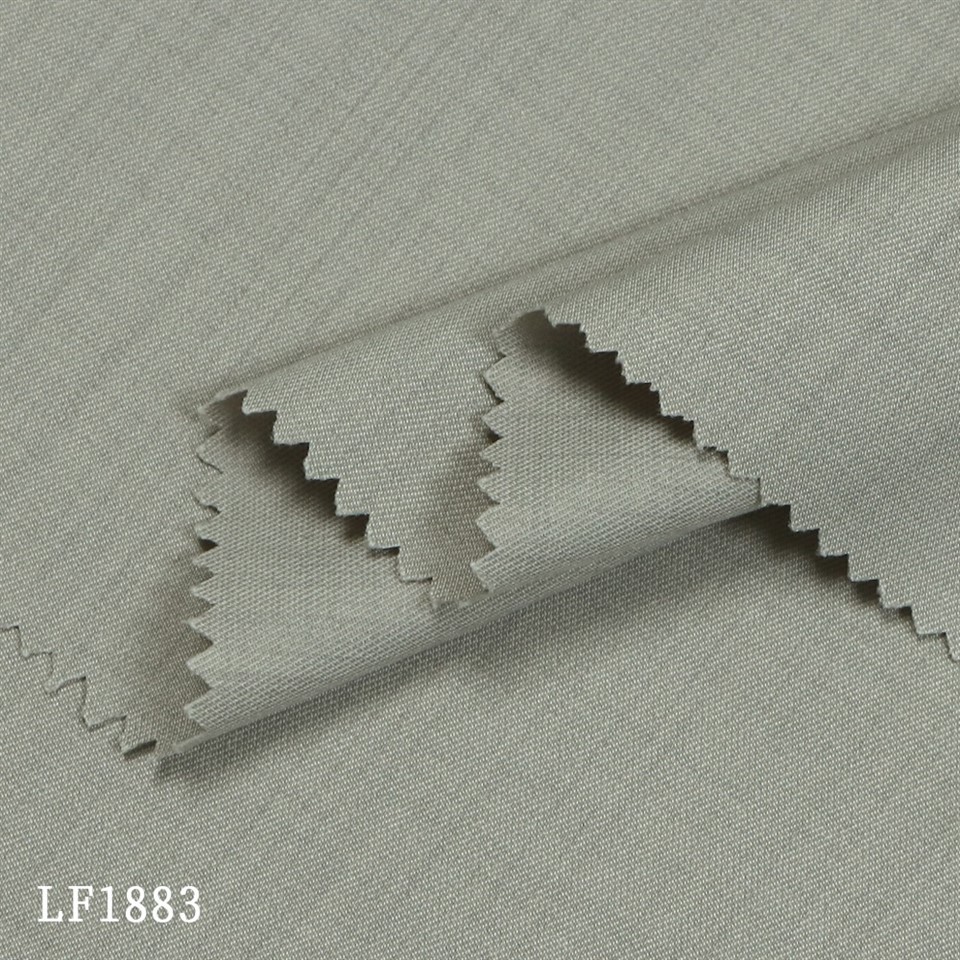
First, let’s get the basics straight about 3/1 twill. Unlike plain weave (which weaves one thread over, one under), twill weaves follow a repeating pattern: for every 3 weft (horizontal) threads, one warp (vertical) thread is left over, creating that distinct diagonal line on the fabric’s surface. This construction gives 3/1 twill unique properties compared to other weaves. It’s sturdier than plain weave because the threads are interlaced less frequently, which means each thread is pulled tighter, making the fabric denser and more resistant to tearing. That’s a big plus for outdoor use, where cushions get dragged across patio floors, jostled by wind, or brushed by furniture legs.
But outdoor cushions don’t just face wear and tear—they battle sun, rain, humidity, and sometimes temperature swings. Sunlight is one of the biggest enemies of outdoor fabrics; UV rays break down the chemical bonds in synthetic and natural fibers alike, causing fading, brittleness, and holes. I often test the UV resistance of our 3/1 twill by running a quick fade test: hang a sample in direct sunlight for 30 days, and it still retains over 80% of its original color. Why? The dense weave of 3/1 twill means the colored threads aren’t exposed on the surface as much as they would be in a looser weave. That’s not to say it’s fade-proof—no fabric is—but it’s far more UV-resistant than, say, a light plain weave or a loose satin weave.
Water resistance is another make-or-break factor for outdoor cushions. No one wants their cushions soaking through after a sudden rainstorm. 3/1 twill’s tight interlacing creates a natural barrier against light rain and moisture, which is why many outdoor upholstery brands use it as a base fabric before applying a water-repellent coating. Here’s a common mistake I see customers make: buying a “waterproof” outdoor cushion cover that’s actually a thin, plain weave fabric. That material gets saturated in heavy rain, and the water weighs down the fill inside, leading to mold and mildew. The 3/1 twill’s denser structure prevents that to a large extent, especially when paired with a good water repellent. I once had a customer tell me they left their 3/1 twill cushion out for three days during a rainstorm, and only the top surface was slightly damp—the fill underneath was completely dry. That’s the kind of real-world test that matters for outdoor use.
Of course, no fabric is perfect, and 3/1 twill has some trade-offs when it comes to outdoor cushions. Let’s talk about breathability. Because the weave is dense, air can’t circulate as easily as it does in a looser plain weave. On hot, humid days, that means sweat or moisture from the ground can get trapped between the cushion and the fabric, leading to a slightly damp feel. To fix this, I always recommend pairing 3/1 twill cushion covers with a breathable, quick-dry fill—like polyester fiberfill with moisture-wicking properties, or even a thin layer of mesh between the cover and the fill. That way, the dense fabric’s durability doesn’t come at the cost of comfort.
Another trade-off is weight. 3/1 twill is heavier than plain weave fabrics, which might not be ideal if you’re frequently moving your cushions indoors. A heavy cushion is also harder to clean quickly, since you can’t just shake off dirt as easily. But that weight is also what makes it more durable—lighter fabrics tend to be thinner and tear more easily. For someone who leaves their cushions outside year-round, that extra weight is a huge advantage; it won’t blow away in a strong wind the way a lightweight plain weave cushion might.
Let’s get into the details of fiber types, because that’s what really determines whether 3/1 twill works for outdoor cushions. 3/1 twill can be made from natural fibers (cotton, linen) or synthetic fibers (polyester, olefin). If you’re using natural fiber 3/1 twill, it’s important to note that it’s not as water-resistant or UV-resistant as synthetic. But if it’s treated with a stain-repellent and UV-inhibitor, natural 3/1 twill can work for occasional outdoor use—like if you only set your cushions out during the summer. For year-round outdoor use, synthetic 3/1 twill is the way to go. Polyester 3/1 twill, for example, has a higher melting point, resists mildew, and doesn’t fade even after years of sun exposure. I’ve had customers use our polyester 3/1 twill for commercial patio seating, and after three years, the cushions look almost identical to when we delivered them.
I also get asked a lot about cleaning outdoor cushions. How easy is it to clean 3/1 twill? The dense weave means dirt sits on the surface, rather than seeping into the fabric. That makes spot cleaning simple—just dab a mild soap and water solution on the stain, and the dirt lifts right off. For larger stains, you can even hose down the entire cushion cover, and it will dry quickly if it’s made of synthetic fiber. A loose weave fabric, on the other hand, lets dirt sink deep between the threads, making it almost impossible to get out without professional cleaning.
Wait, let’s address a common misconception: some people think twill is too formal for outdoor use. That’s a mistake. Modern 3/1 twill comes in a range of weights, colors, and finishes—you can get a lightweight, soft 3/1 twill that looks as casual as a plain cotton canvas, or a heavy, textured 3/1 twill that’s perfect for rustic patio furniture. It’s versatile enough to work with every style, from minimalist modern decks to cozy cottage patios.
Now, let’s talk about when 3/1 twill might not be the best choice. If you’re looking for a budget option for cushions that only get a few hours of use a week, a lightweight plain weave canvas is more cost-effective. The dense construction of 3/1 twill also means it’s slightly more expensive than plain weave, so if you’re on a tight budget, it might not be the right pick. But for someone who values long-term durability and doesn’t want to replace their cushions every two years, 3/1 twill is worth the extra investment.
I’ve worked with hundreds of customers, from small patio furniture retailers to large hotel chains, and the feedback on 3/1 twill for outdoor cushions has been consistently positive. One hotel client told me that their old plain weave cushions needed to be replaced every 18 months, but since switching to 3/1 twill, they’re going on four years with no issues. A residential customer said her kids and dogs can track mud, juice, and grass stains on the cushions, and a quick hose down makes them look good as new.
The key takeaway? 3/1 twill is ideal for outdoor cushions if durability, UV resistance, and water resistance are your top priorities. The dense weave stands up to wear and tear, the textured surface resists fading, and it’s easy to clean—perfect for the harsh outdoor environment. The minor downsides (slight lack of breathability, slightly higher cost) are easily mitigated with the right fill and fiber choice.
At the end of the day, choosing the right outdoor cushion fabric comes down to how you use your space. If your cushions are left outside year-round, exposed to heavy sun and rain, 3/1 twill is a reliable, long-lasting option. If you’re looking for a budget-friendly option for occasional use, you might want to go with a lighter weave. But for anyone who wants cushions that will hold up for years without looking worn, 3/1 twill is absolutely suitable.
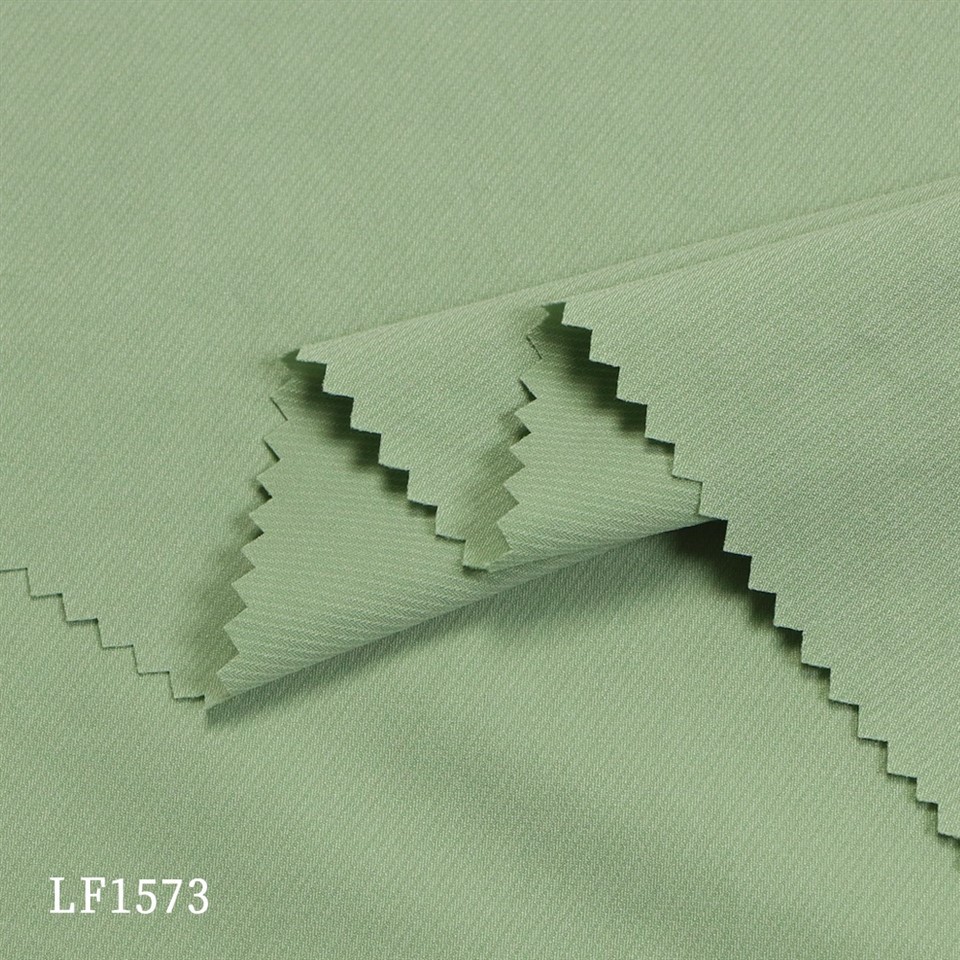
If you’re considering switching to 3/1 twill for your outdoor cushion needs and want to learn more about our products, feel free to get in touch with us to discuss your specific requirements. We can provide sample swatches, help you choose the right fiber and weight, and work with you to find the perfect solution for your patio or business.
Broken Twill References
- "Outdoor Fabric Durability: Weave Types and Their Impact on Performance," Textile Institute, 2022.
- "UV Resistance in Textiles: Mechanisms and Testing Methods," Journal of Industrial Textiles, Vol. 51, No. 3, 2021.
- "Water Repellency of Woven Fabrics: The Role of Weave Density," Textile Research Journal, Vol. 90, No. 11-12, 2020.
- "Outdoor Upholstery Best Practices: Care and Maintenance," Outdoor Furniture Manufacturers Association, 2023.
Shaoxing Huichao Textile Co., Ltd.
As one of the most professional 3 1 twill weave manufacturers and suppliers in China, we offer a wide range of products with superior quality. We warmly welcome you to wholesale bulk 3 1 twill weave in stock here from our factory. If you have any enquiry about cooperation, please feel free to email us.
Address: Shenyue International Build ing, Unit 1603-1605, Keqiao District, Shaoxing City, Zhejiang Province, China
E-mail: darrenzhong@huichaotextile.com
WebSite: https://www.huichaotextile.com/
