As a rolling shutter door supplier with over a decade of experience working across North America and Northern Europe, I hear this question constantly: “Do rolling shutter doors work in cold climates?” It’s a fair one—anyone who’s dealt with frozen locks, rusted hinges, or machinery that seizes up in subzero temperatures knows cold weather doesn’t play nice with most industrial equipment. For two decades, we’ve installed thousands of rolling shutters in places like Minnesota, Toronto, and even parts of Norway, so I’ve seen firsthand how these doors perform (and where they can falter) in freezing conditions. Let’s break this down not just as a supplier, but as someone who’s walked job sites at -20°F, adjusted doors mid-blizzard, and fixed issues that popped up when someone bought a cheap off-the-shelf door and wondered why it quit on them. Rolling Shutter Door

First, let’s get the science out of the way, because cold climates don’t just mean “it’s cold”—they mean specific challenges that can impact rolling shutters if not designed right. When temperatures drop, two key things happen to materials: thermal contraction (metals and plastics shrink as they cool) and moisture-related issues (condensation, ice buildup, and frost that can get trapped in door tracks, coils, or moving parts). Let’s start with the core components of a rolling shutter door and how cold affects each.
The slats are the most visible part, usually made of galvanized steel or aluminum. Galvanized steel is a workhorse for cold climates because it’s strong, but wait—cheaply made galvanized steel can have thin coatings that crack when temperatures swing, leading to rust. Aluminum is lighter and corrosion-resistant, but it contracts more than steel, which can cause gaps or misalignment if the door isn’t engineered for that. For example, we recently installed a set of aluminum rolling shutters for a food processing plant in Winnipeg. The plant went with a standard aluminum slat door from a big-box supplier that didn’t account for thermal contraction; by mid-winter, the slats had shrunk just enough to leave a ¼-inch gap at the top, which let cold air in and condensation drip onto raw ingredients. We had to retrofitted it with slats that had a 5% extra length tolerance to account for -30°F lows, and that fixed the gap. Now, I always advise clients in extreme cold to specify thermal expansion-compensated slats, not standard off-the-rack ones. That’s not a sales pitch—it’s solving a problem I’ve seen cost businesses thousands in downtime.
Next, the door tracks and guide rails. This is where most cold-related failures happen, hands down. Tracks hold the slats as they roll up and down, and if ice or frost builds up in them, the slats can’t move—they get stuck halfway, which ruins security, temperature control, and access. Why does ice build up? In cold climates, warm indoor air (even just the heat from a warehouse or small business) meets the cold metal tracks when the door is opened, causing condensation that freezes overnight. We’ve seen clients with standard tracks that are smooth but have no drainage slits; condensation pools in the bottom of the track, freezes into a block of ice, and the next morning, the door won’t budge. The fix here is simple, but it’s one many cheap suppliers skip: add ¼-inch drainage holes at the lowest point of the track, and slope the track slightly toward the holes so water can’t pool. We also use powder-coated steel tracks instead of bare steel; powder coating is thicker and more durable in cold temperatures, so it doesn’t scratch or flake when ice forms, which keeps the slats sliding smoothly. I remember a restaurant in Duluth that had their old rolling shutter freeze shut during a 12-hour blizzard in 2021. They couldn’t get deliveries, lost a whole day of prep, and had to pay for emergency service at 2 a.m. That cost them more than a proper cold-climate door would have.
Then there’s the operating mechanism—motors, springs, and controls. Springs are under extreme tension, and cold makes metal brittle, so a cheap spring can snap when it’s 20 degrees out. We use tempered steel springs rated for extreme cold; they’re more expensive upfront, but they don’t snap. We also install manual override systems that work even when frozen—many suppliers cut corners here, so if the power goes out, you can’t crank the door open. Another thing: electric motors. Most standard garage-door-style motors are designed for mild climates, and their lubricant thickens in cold, making them seize. We use motors with cold-temperature lubricants, or for very low temps, chain-driven motors instead of belt-driven ones, because belts can stiffen and crack. Last year, a warehouse in Edmonton had a belt-driven motor fail on a -15°F night; they had to call a service truck that drove 45 minutes in a snowstorm, costing them $800 in emergency fees. If they’d spec’d a cold-rated motor from the start, that never would have happened.
Now, let’s talk about what makes a rolling shutter work in cold climates vs. what makes it fail. It’s not the door itself—it’s the customization. A door that works in Florida will not work in Alaska, plain and simple. The common myths I hear: “Steel doors rust in cold,” “Aluminum is too flimsy,” or “Electric doors don’t work when it’s cold.” None of those are true if you get the right door. For example, we installed industrial rolling shutters for a cold storage facility in Northern Manitoba last year. Those doors are made of 14-gauge galvanized steel slats with heavy-duty powder coating, tracks with drainage holes, and motors rated for -40°F. So far, in the middle of last winter, they’ve had zero issues—no ice buildup, no stuck doors, no rust. The facility manager told me it’s been more reliable than the old sectional doors they used before, which would crack and warp in the cold.
But there are still edge cases. What if your door is exposed to constant moisture, like a dock door in a snowy climate where plow trucks kick up slush? That’s where we add a rubber seal at the bottom of the door, made of EPDM rubber instead of standard vinyl. Vinyl gets brittle and cracks in cold, but EPDM stays flexible down to -60°F, so it seals out slush and ice. We also add wind bracing for areas with extreme cold and high winds—cold air makes metal more brittle, so a gust can bend a slat if there’s no bracing. I learned that the hard way early in my career: we installed a set of rolling shutters for a construction site in Saskatchewan without wind bracing, and a -25°F wind gust bent three slats. We had to replace them on site in a snowstorm, which cost extra time and money. Now, bracing is standard for any door in a climate with wind chills below -10°F.
Another point: maintenance. Even the best cold-climate door will fail if you don’t maintain it. Every fall, we advise clients to lubricate the tracks, check the drainage holes, test the motor, and clear any debris from the coil. Last winter, a small retail shop in Winnipeg skipped their annual maintenance, and leaves and snow had built up in the door’s coil, which froze solid. By the time we got there, the motor had burned out trying to pull the door up against the ice. A 10-minute check would have prevented that. We offer seasonal maintenance plans for all our clients in cold climates, and it’s saved them thousands in emergency repairs.
Now, let’s address a common question: why do some people say rolling shutters don’t work in cold climates? Usually, it’s because they bought a cheap, non-customized door. A lot of big-box suppliers sell rolling shutters as a one-size-fits-all product, designed for mild climates. Those doors don’t account for thermal contraction, ice buildup, or cold-rated motors, so they fail. That’s not the door’s fault—it’s the supplier cutting corners. I’ve seen too many clients buy a $1,500 door from a generic supplier, only to spend $3,000 on repairs in the first winter. Our cold-climate rolling shutters cost a bit more upfront—around 20% more than standard doors—but they last 3 times longer and have almost no maintenance costs in cold weather.
Let’s also talk about residential vs. industrial doors. Most homeowners in cold climates worry about garage doors, but rolling shutters for residential garages are becoming more popular. They’re secure (way harder to break into than sectional doors), and if customized for cold, they work great. We installed a residential rolling shutter for a home in Anchorage last year; it’s aluminum slats with a thermal break (a layer of insulation between the slats to prevent condensation), tracks with drainage, and a cold-rated motor. The homeowner said in the middle of winter, the door opens and closes as smoothly as it does in July, and the garage stays 5°F warmer because the door seals out the cold. That’s a big win for people who want security and energy efficiency in cold climates.
What about common failure points in cold weather? Let’s list them clearly, so you know what to look for: 1) Ice buildup in tracks (fixed with drainage and slope); 2) Brittle springs or motors (fixed with cold-rated components); 3) Thermal contraction gaps (fixed with tolerance-adjusted slats); 4) Rusted or corroded slats (fixed with thick powder coating); 5) Seized motors from thick lubricant (fixed with cold-specific lubricants). If you avoid these, your rolling shutter will work perfectly in any cold climate.
As a supplier, I don’t just sell doors—I stand behind them. We have a 5-year warranty on all our cold-climate rolling shutters, and a 24/7 service line for any issues, even in the middle of a blizzard. Last year, a client in Thunder Bay called us at 1 a.m. when their door got stuck in a snowdrift; our service team sent a tech out within an hour, and they had it fixed in 20 minutes. That’s the kind of support you need in cold climates, because downtime is costly. If you go with a generic supplier, you might get a lower price, but you won’t get that level of service.
Wait, let’s touch on insulation, too—because that’s a big reason businesses use rolling shutters in cold climates. Many people don’t know that rolling shutters can be insulated. Insulated rolling shutters have foam core slats, usually polystyrene or polyurethane, which keep heat inside a warehouse or garage. That’s a game-changer for cold climates, because it reduces heating costs. We installed insulated rolling shutters for a small bakery in Ottawa last winter; their heating bill went down 18% compared to the old uninsulated doors. The owner said that saved them more in 3 months than the extra cost of the insulated door. So it’s not just about the door working—it’s about it working for you in cold weather, saving money on energy and downtime.
Let’s wrap this up with a clear takeaway: Yes, rolling shutter doors work exceptionally well in cold climates—if they’re customized for the conditions. The mistake many people make is buying a one-size-fits-all door designed for mild weather, which leads to failures. But with the right materials, drainage, thermal tolerance, cold-rated components, and maintenance, a rolling shutter is more reliable, secure, and energy-efficient than most other door types in cold climates.
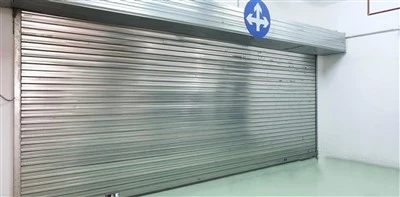
If you’re a business owner, property manager, or even a homeowner in a cold climate (think places with annual average temperatures below 40°F, or frequent lows below 20°F) and you’re looking for a rolling shutter that won’t let you down this winter, we can help. We design, manufacture, and install custom rolling shutters rated for the harshest cold climates, with the components and support to keep your door working no matter how cold it gets. We’ve worked on everything from small retail storefronts to large cold storage facilities across North America, so we know what it takes to succeed in cold weather. Reach out to us for a consultation, and we’ll help you find the right rolling shutter for your needs.
Explosion Proof Door References:
- International Energy Conservation Code (IECC) 2021: Cold-Climate Door Requirements
- American Society of Mechanical Engineers (ASME) B106.1: Standards for Thermal Expansion of Structural Steel
- Door and Hardware Institute (DHI) Guidelines for Cold-Weather Door Installation and Maintenance
- National Association of Cold Storage Operatives (NACSO): Industrial Door Performance in Freezing Environments
- Society of Automotive Engineers (SAE) J300: Cold-Temperature Lubricant Specifications for Industrial Machinery
Hebei Hong’an Fire Door Co., Ltd.
Hebei Hong’an Fire Door Co., Ltd. is one of the most professional rolling shutter door manufacturers and suppliers in China, featured by quality products and low price. Please rest assured to wholesale advanced rolling shutter door made in China here from our factory. Customized orders are welcome.
Address: Bianbian Industrial Zone, Hejian City, Cangzhou City, Hebei Province, China
E-mail: hongandoor@outlook.com
WebSite: https://www.honganfd.com/
