Hey there, I’m Sam, and for the past seven years, I’ve been part of the team that designs, manufactures, and ships outdoor fixed LED displays. Over that time, I’ve seen way too many projects go wrong not because of the display panels themselves—they’re solid, we test every batch—but because someone hired the wrong installer. Last quarter alone, we had three clients reach out panicking: their new 4K outdoor display was flickering nonstop, half the pixels died within a month, and rain was seeping into the cabinet frames because the installer skipped critical sealing steps. The worst part? These issues weren’t fixable without tearing out half the setup and starting over, costing each client 2-3 times what they’d saved by going with the cheap local installer. Outdoor Fixed LED Display

If you’re here, you’re probably at the point where you’ve picked out the right outdoor fixed LED display—maybe it’s for a stadium, retail storefront, corporate campus, or transit hub—and now you’re stuck on choosing someone to install it. Installers aren’t one-size-fits-all, and for outdoor fixed displays (which sit 10+ feet high, face harsh weather, need precise calibration, and have to run 12+ hours a day), the wrong choice can turn a smart investment into a expensive headache. Today, I’m pulling back the curtain on what I’ve learned working with installers across North America and Europe, no corporate fluff, just real advice to get this right.
First, let’s talk about the non-negotiable qualifications that aren’t just on a resume. I’ve had installers walk through our factory with 10 years of experience installing outdoor LED, but when we ask them to walk us through a recent job, they can’t name the difference between IP65 and IP67 ratings. For outdoor fixed LED, every component—cabinet, power supply, signal cable, even the mounting brackets—has a specific ingress protection (IP) rating, and the installer has to know how to install each to meet that, not just put it up.
So start with verifying two basics: proof of insurance, and specific experience with outdoor fixed LED displays (not just general construction, not just indoor LED). Let’s break insurance down first: you’ll want at least $2 million in general liability, and $1 million in professional liability. Last year, an installer we worked with for a 50-panel display got injured on a ladder, and their $500k policy wasn’t enough to cover medical bills. The client was stuck with a lien on their property for the unpaid work and medical costs until they settled. Also, never skip checking if their insurance is active—call the provider, don’t just take their word for it. We’ve seen installers use expired insurance documents to win bids, and that’s a nightmare if something goes wrong.
Next, the experience part: ask them for three recent references for outdoor fixed LED displays that are at least 1 year old. Why a year? Because if an installer does a shoddy job, the issues (water leaks, loose mounts, pixel failure) usually pop up within the first 12 months. When you call the references, don’t just ask “was the job okay?”—dig deeper. Ask: “Did the installer show up on time every day?” “Did they clean up the job site at the end of each day?” “Was there any unplanned cost halfway through?” Most importantly, ask: “Have you had any issues with the display since it was installed, and if so, did the installer fix them quickly?” I once talked to a restaurant owner who used an installer that promised a 2-week turnaround, took 6 weeks, and when a rainstorm damaged the wiring 3 months later, the installer charged them $1,800 to come back, saying “that’s not my fault, you should have bought a more waterproof display.”
If the installer checks those two boxes, the next step is to review their technical process for outdoor fixed LED installs—this is where the bad ones get exposed. Let’s go through the steps a reputable installer will follow, and how to spot if an installer cuts corners here.
First, site assessment. A good installer won’t just show up with a tape measure and start drilling. They’ll do a full site audit: check for wind load requirements (outdoor fixed displays are heavy—an installer has to make sure the building’s facade can support the weight, plus wind, which is a big one for displays over 100 square feet. For example, a display in Florida has to withstand hurricane-force winds, while one in Minnesota has to handle heavy snow loads), check power supply capacity (LED displays need consistent power, no surges—an installer has to test the existing circuit, not just plug the display in), and do a line-of-sight check to make sure the display is positioned correctly for its intended audience. We had a client in Chicago who hired an installer that mounted their 10x20ft display on the side of a building, but didn’t account for the reflection off a nearby skyscraper—so the display was unreadable from 50 feet away at midday. The installer tried to fix it by tilting the display, but that made snow pile up on the front during winter.
Second, material inspection. This is where many installers cut corners. A reputable installer will unbox every cabinet, power supply, and cable on-site in front of you, and let you verify that all parts match your order. They’ll also check for cosmetic damage during shipping (LED panels are fragile—if a cabinet arrives with a dent, it can affect pixel alignment). The cheap installers will hide damaged parts, or use third-party power supplies that aren’t compatible with your display, which can cause overheating and early failure. We had a school district client last year who used an installer that brought in generic power supplies, not the branded ones we recommend, and within 6 months, 12 power supplies had burned out, taking half the display offline. The generic parts were $10 each, compared to our recommended $45 each, so the installer saved $500 up front, costing the school $5,000 in repairs.
Third, installation process. Let’s get specific here, because this is where most mistakes happen. For outdoor fixed displays, all cabinet connections have to be sealed with a silicone that’s rated for UV and temperature extremes—regular silicone will crack in a year, letting water in. The mounting brackets have to be corrosion-resistant (hot-dip galvanized, not just powder-coated) because they’re exposed to rain, salt, and humidity. The signal and power cables have to be run through conduit, not just taped to the side of the building, to protect them from rodents, sun damage, and wind. Also, the installer has to test every single cabinet and pixel as they go, not just wait until the entire display is up. A quick test every time they hang a cabinet will catch a bad pixel or a loose connection before the next cabinet is added—if they wait until the whole display is done, they have to take apart half the setup to fix it.
Fourth, calibration and training. A lot of installers will hang the display, turn it on, and leave. But outdoor fixed displays need calibration to make sure the brightness is correct for daylight (you want it bright enough to be seen at midday, but not so bright that it’s a glare at night) and that all colors are consistent across the entire display. A good installer will do a full calibration, both on-site and remotely if needed, and train your team on basic maintenance: how to turn the display on/off, how to update content, what to do if a pixel goes out, and how to clean the cabinet without damaging the screen. The cheap installers will skip calibration, so the display looks patchy—one side too blue, one side too red—and your audience notices.
Now, what about the cost? I know, everyone wants a good deal. But let’s be clear: if an installer quotes you $15,000 for a 10x20ft display install, and another quotes $25,000, the $10,000 difference is almost always cutting corners. Let’s break that down: the reputable installer has the right insurance, takes the time to do a site audit, uses correct materials, and does full calibration. The cheap installer will skip insurance (saving them $1,000+ a year), skip site audits (saving time), use generic parts (cheaper), and cut corners on installation steps. I’ve seen clients try to go with the cheap quote, then end up paying $30,000 to fix the mess a year later. It’s not worth it. That said, don’t assume the most expensive installer is the best either—we’ve had clients pay a 50% premium for an installer that bailed on the job mid-project because they took on another big gig. Always do your research, don’t just go by price.
Another red flag to watch for: installers that ask for full payment upfront. A reputable installer will ask for a 10-20% deposit to cover materials, and progress payments at key milestones: after site prep, after mounting the cabinets, after testing the full display, and final payment only after you sign off that everything is working correctly. If they ask for 50% or more upfront, that’s a sign they don’t have skin in the game—they might take your money and disappear.
What if you’re working with a local installer, but they don’t have experience with outdoor fixed LED displays? Wait, can you train them? Maybe, but I’d be cautious. Outdoor fixed LED is a specialized field. For example, a standard construction installer knows how to mount a sign, but they don’t know how to handle the delicate pixel pitch of a 2mm display, or how to seal cabinet edges to meet IP67. If you do go with a newer installer, make sure they have a supervisor who has 5+ years of specific outdoor LED experience, and get a written guarantee that they’ll cover any mistakes for at least 1 year.
Last month, we had a client who followed all these steps. They asked for references of displays over a year old, called each, verified insurance, and asked the installer to walk them through their installation process. The installer spent 2 hours doing a site audit, pointed out that the building’s facade needed extra brackets to support the wind load, and provided a detailed quote with no hidden fees. Their display has been running for 8 months without a single issue, and they sent us a photo of people taking photos of it during a local festival—they’re already talking about expanding it for next year.
At the end of the day, your outdoor fixed LED display is an investment that’s going to be up there for 5-10 years, running 12+ hours a day. Choosing the right installer isn’t just about getting it up—it’s about making sure it works every day, without unexpected costs, without downtime, without ruining the look of your property. If you’re ready to move forward, or if you have questions about anything we talked about, our team is here to help walk through the process with you. We work with trusted installers across the country, or we can connect you with our preferred partners, but we’ll never push you to work with someone who doesn’t meet our standards.
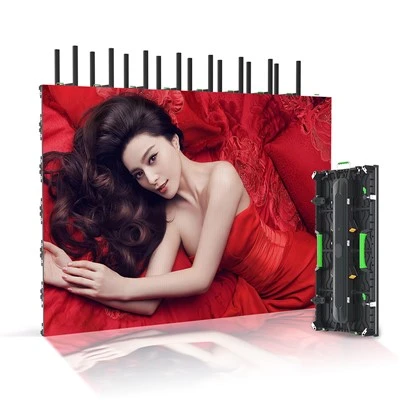
Now, a quick note on what I’ve shared: this is all based on on-the-ground experience, not corporate sales pitches. I’ve seen the good, the bad, and the ugly, and these steps are the ones that consistently lead to successful outdoor fixed LED installs. Don’t cut corners here—it will cost you more in the long run.
Linsn Control System References:
- National Electrical Manufacturers Association. (2022). Installation Standards for Outdoor Digital Displays.
- International Association of Lighting Designers. (2023). Best Practices for Outdoor LED Display Installation and Maintenance.
- North American Outdoor Advertising Association. (2021). Guide to Wind Load and Structural Requirements for Large Outdoor Fixed LED Displays.
- Underwriters Laboratories. (2022). Ingress Protection Ratings for Electronic Equipment Used in Outdoor Applications.
Shenzhen Starcolor Optoelectronics Co., Ltd.
As one of the most professional outdoor fixed led display manufacturers and suppliers in China, we’re featured by quality products and good price. Please rest assured to wholesale discount outdoor fixed led display in stock here from our factory. Customized orders are welcome.
Address: 2nd floor, Building A, Hongjingda Industrial Park, Shiyan town, Bao’an District, Shenzhen
E-mail: starcolorled@outlook.com
WebSite: https://www.starcolordisplay.com/
