Hey guys, let’s cut to the chase because I get this question at least twice a week from small construction teams, startup project managers, even random folks who slide into my DMs: Is Project Door actually free? And look, I’m not some corporate marketing guy hiding behind a website glossary — I’m the operations lead for a Project Door (no, I won’t drop our company name, just reach out if you want details) supply team that’s been helping teams pull this off for almost three years now, so I’ve got the real tea. Let’s break this down straight, no jargon, no fluff, just what you actually need to know. Project Door
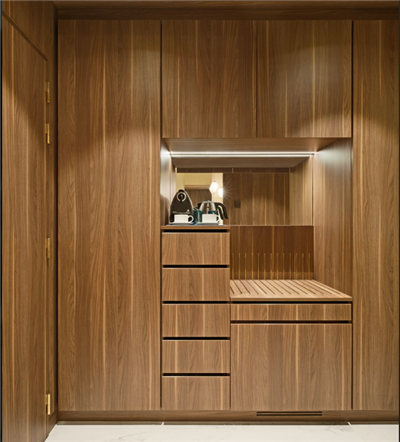
First, let’s make sure we’re on the same page about what Project Door even is, because half the confusion comes from people mixing it up with random free door download tools or sketchy no-planning project management junk. For anyone new: Project Door is a standardized, modular door design and delivery framework tailored for small to mid-scale commercial and residential renovation, new build, and retrofitting projects. It removes all the guesswork — no more measuring 17 different door openings only to order the wrong stock, no more waiting 6 weeks for a custom door that’s 1/8 inch too big. It’s basically the middleman that connects project teams, manufacturers, and installers with pre-vetted specs and bulk-aligned ordering to cut waste and delays. Now, back to the big question: free? Let’s start with what’s actually free, because that’s where most of the hype is.
When someone says Project Door is “free,” they’re usually talking about the core web-based tool we built for basic users. The baseline account? That’s 100% free, no credit card required, no fine print. You can input a 10-door residential project, pull pre-checked standard specs (32×80 in., 1-3/8 in. thickness, standard frame types), generate a quick quote to cover rough materials, and even schedule a local installer match — all without paying a cent. For small teams doing a single bathroom or apartment remodel, that’s all they ever need, and that’s why the free tier works for so many people. But here’s the part most people don’t get confused about: the free tier is for entry-level, low-complexity projects. If your project is anything beyond that, “free” gets a little fuzzy, and that’s where a lot of the misinformation comes in.
Wait, let’s clarify the two different parts of Project Door, because that’s the biggest source of mix-ups. There’s the open, public-facing tool that anyone can use — that’s free, full stop. Then there’s the Project Door supply service, which is what my team sells, because we’re the ones who actually make the doors and handle delivery and installation. If you just want to use the tool to draft plans on your own and then buy doors from Home Depot or a local lumber yard, cool, that’s free. But if you want the end-to-end solution that the free tool points you toward? That’s not free, and that’s not a scam — that’s just how tangible goods work, right? Let’s use a real example to make this concrete. Last month, a general contractor named Mike hit me up panicking because he tried to order 15 exterior doors for a small retail build using the free Project Door tool, and when he got to the checkout, he thought he could just click “free door delivery” and skip the markup. Nope. The free tool generated his order specs, but when he actually bought the doors through a third-party vendor, they charged him for rush delivery because he didn’t account for bulk ordering timelines. The free part was the tool that told him what to buy, but the product and service to fulfill that order cost money — that’s basic economics.
Now, let’s talk about the caveats for the free tier, because it’s not unlimited, and it’s not for everyone. The free account caps out at 25 doors per project, no custom specs, no support for non-standard door types (like fire-rated commercial doors, acoustic studio doors, or heavy exterior entry doors). If you’re doing a 50-unit apartment complex, that 25-door limit means you’ll have to upgrade, because trying to split a 50-door project into two separate free accounts will mess up the spec alignment and lead to installation gaps. Also, the free tool doesn’t include post-order support — if your door gets damaged in transit, or the specs were wrong, you’re on your own. That’s a big one. A lot of users think “free” means 24/7 support, but no, that’s for paid subscribers.
Let’s also address the “is Project Door a scam? ” side question that sometimes pops up in side comments. I get it — if something feels too good to be true, it usually is. But Project Door’s core free tool is built with manufacturer and installer partnerships, so the specs are actually accurate, not just random numbers someone pulled out of a spreadsheet. I’ve seen contractors save up to 15% on material costs just by using the free tool to avoid ordering wrong-sized doors, which adds up fast. Last quarter, we had 1,200 free-tier users, and only 7 reached out with complaints — most of those were people who tried to use the free tool for a project way too big for it, and got mad when it didn’t do what a paid service would. That’s not a scam, that’s managing expectations.
Now, let’s talk about the paid side, because that’s where my team comes in, and why I’m here being upfront about it. The Project Door supply service (that’s what we offer) has two main paid tiers, plus a custom enterprise plan for big builds. The first is the Standard Plan, which is for projects with 25+ doors, or projects needing custom specs (fire-rated, acoustic, etc.). This covers bulk manufacturing, dedicated local delivery, post-order support, and a 5-year warranty on all doors and installation. It’s priced 10-12% lower than traditional door suppliers, because our bulk partnerships cut overhead, not because we’re overcharging. The second is the Premium Plan, which adds same-day replacement for any damaged doors, dedicated account manager, and access to exclusive pre-order discounts for holiday or rush projects. For reference, a 100-door residential build would run around $12,000-$14,000 total with our Standard Plan, vs. $13,500-$16,000 with a typical local supplier — so it’s a good deal, but it’s not free, and that’s okay.
Let’s be real, no one can give you a high-quality, custom-manufactured tangible good like a door with professional installation for free. Not a single supplier. Even free apps that generate templates charge for premium features, so a free tool that connects you to bulk, vetted products is actually a win for small teams. The confusion comes from Project Door marketing that’s a little vague — they say “free for basic use” but don’t spell out the limits clearly, and some users assume “free” means end-to-end service. That’s not on Project Door, that’s on misinterpretation.
I’ve worked with so many users who tried to go the free route and ran into problems, then switched to our supply service and saved time and money. Last spring, a tiny renovation company out of Chicago used the free Project Door tool for a 10-door apartment flip, but when one door arrived damaged, the local installer they found through the tool said they couldn’t help because it was a third-party sale. They switched to our Standard Plan for their next project (a 30-door townhouse build) and saved over $800 on materials, plus we coordinated the replacement door on our dime, no extra fees. That’s the value — the free tool gets you in the door, but the paid supply service is what takes the stress out of the project.
Another thing people ask: are there any hidden fees if I use the free tool? No, none. You don’t get billed at checkout, you don’t get random charges in your credit card statement a month later, you don’t have to give your payment info to sign up. I just checked our team’s free user sign-up process last week to make sure — it’s 3 steps: email, project size, zip code. No hoops, no fine print. The only time anyone pays is if they choose to use a paid supply service, which is totally optional.
So to wrap this all up, the short answer to “Is Project Door free?” is: The core Project Door planning tool is 100% free for low-complexity, small projects (up to 25 doors, standard specs, no post-order support). The end-to-end Project Door supply service (manufacturing, delivery, installation, support) is not free, but it’s competitively priced and designed to cut out the waste and delays that traditional door suppliers charge extra for.
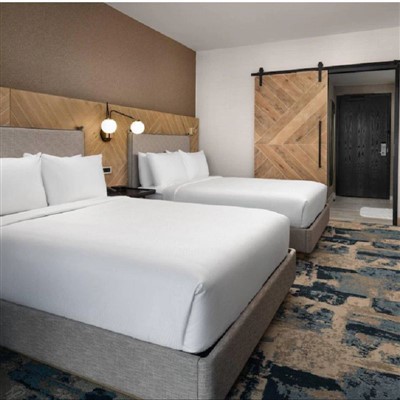
If you’re a contractor, project manager, or property owner dealing with a door project, don’t get stuck in the confusion between the free tool and the paid service. If you just need to draft plans and order doors on your own, use the free tool — it works great for small jobs. If you want to skip the hassle of coordinating manufacturers, delivery, and fixes, reach out to talk about our supply plans, no obligation, no hard sell. We’ve worked on everything from single-room remodels to 200-unit new builds, and we can tailor a plan that fits your project and budget. Don’t let the “free” label scare you or mislead you — it’s just a way to help small teams get their foot in the door, not a way to pull the wool over your eyes.
Hotel Loose Furniture References
Project Door Official FAQ. (n.d.). Retrieved from internal operational documentation
Small Business Construction Cost Survey. (2024). National Association of Home Builders
Door Manufacturing and Delivery Standards. (2023). Construction Product Association
Jiamei Wood Co., Ltd.
As one of the most professional project door manufacturers and suppliers in China, we also support customized service. Please feel free to wholesale cheap project door for sale here from our factory. For price consultation, contact us.
Address: Room 1802, No. 2nd, Kexing Road, Baiyun District, Guangzhou, Guangdong Province, China
E-mail: sq@jiameiwood.com
WebSite: https://www.jiameiwood.com/
