If you’ve ever stood in the cycling gear aisle, squinting at shelves stacked with stiff, bulky cycling shoes that feel more like industrial equipment than something you’d walk around the city in, you’ve probably asked yourself a simple, relatable question: Are there cycling shoes with a low profile? As a cycling shoe supplier who’s spent the last 12 years designing, testing, and delivering shoes to casual riders, commuters, and weekend road cyclists, I get it. The cycling shoe space has long been split into two extremes: lightweight, high-stiffness road racing shoes that tower over the foot when you’re off the bike, and clunky, insulated commuter shoes that sacrifice performance for basic durability. For too long, there’s been a gap for riders who want the best of both worlds—performance on the bike and a sleek, low-profile look that works off it. That’s exactly the gap we built our line of low-profile cycling shoes to fill, and after thousands of customer feedback forms and on-bike tests, we’re here to answer that question in detail, no marketing hype, just straight-up facts. Cycling Shoes

First, let’s define what “low profile” actually means in cycling shoe terms, because it’s a phrase that gets thrown around a lot without much clarity. For us, a low-profile cycling shoe is one that sits close to the foot, has a slim, streamlined upper, and doesn’t have excess bulk in the sole or toe box. Unlike high-end road racing shoes, which often have a thick, carbon-fiber reinforced sole that’s designed to transfer every watt of power to the pedals, low-profile shoes balance that stiffness with a thinner, more flexible sole that still performs on the bike, but lets you walk comfortably when you’re off it. That’s a game-changer for commuters who have to walk to the train station, grab a coffee after a ride, or run errands mid-day, and for casual weekend riders who don’t want to look like they’re wearing a specialized sports shoe when they meet friends for lunch.
Now, let’s get into the science of why low-profile cycling shoes work (and don’t work) so you can understand why they’re not just a trend, but a functional design choice. Stiffness is the single most important factor in cycling performance, right? A shoe’s sole stiffness is measured in Newtons per meter (Nm), with road racing shoes usually ranging from 12 to 16 Nm—meaning you need that much force to bend the sole. For low-profile shoes, we typically target a stiffness of 8 to 10 Nm, which is enough to transfer 90% of your pedaling power to the pedals (we tested this in our lab, matching power output to standard mid-range road shoes) but flexible enough that you can bend the sole when you walk, no waddling required. That balance is key—cutting too much stiffness means losing power, but keeping it too high makes the shoe uncomfortable off the bike.
We also engineered the upper of our low-profile shoes to be slim, not skimpy on support. Many people think a low profile means a flimsy upper, but that’s not the case. We use a breathable, lightweight microfiber upper with a synthetic overlay that wraps around the midfoot, keeping the shoe snug without adding extra bulk. The closure system is a dial-style lace we developed specifically for low-profile design—no velcro straps that stick out, no laces that hang loose, just a slim, retractable dial that tightens evenly across the foot. That design keeps the front of the shoe slim, so it doesn’t look like a bulky boot, but still holds your foot securely in place during hard sprints or long climbs.
Wait, but what about cleats? Low-profile shoes work with both clipless and flat pedals, which is another reason they’re so versatile. For clipless pedals, we include standard 2-bolt and 3-bolt cleat mounts, so they work with any major pedal brand. The recessed cleat area is designed to sit flush with the sole, so the cleat doesn’t add extra height to the bottom of the shoe—another key part of the low-profile look. For riders who prefer flat pedals, the slim sole gives you better feel for the pedal, so you can adjust your foot position easily without the bulk of a thick, rubberized commuter shoe.
Let’s talk about who low-profile cycling shoes are for, because they’re not for every rider. If you’re a professional road racer training for a grand tour, you’re probably going to stick with high-stiffness, high-profile shoes—they’re optimized for maximum power transfer, and most pro riders aren’t walking around in their shoes off the bike anyway. But if you’re a commuter who rides 5 days a week, a casual road cyclist who does 20-50 mile rides on weekends, or a gravel rider who mixes riding with walking on trails, low-profile shoes are perfect. They solve a problem that’s been around for decades: the “walking penalty” of traditional cycling shoes. I’ve had customers tell me they used to avoid riding because they hated showing up to work in bulky shoes, or that their feet would ache after a ride because their shoes were too stiff to walk in. That’s the feedback that made us focus on low-profile design, and honestly, it’s the feedback that makes this work matter.
We put our low-profile shoes through real-world testing, not just lab tests, to make sure they hold up. Last year, we sent 500 testers across 12 countries—commuters in London, casual riders in Oregon, gravel riders in Germany—to test our shoes for 3 months. The feedback was clear: 92% said the low-profile design worked as well off the bike as on it, 87% said they didn’t have power loss compared to their old mid-range road shoes, and 94% said they’d recommend the shoes to a friend. One tester, a teacher in Chicago, told us, “I ride 3 miles to work every day, and I used to keep a pair of dress shoes in my office because my old cycling shoes were too bulky. Now I just walk in my low-profile shoes, and no one at school even notices I’m wearing cycling shoes. They’re comfortable enough to stand in for 8 hours, and I don’t have to worry about them slipping off the pedals.” That’s the kind of impact we care about.
Now, let’s address a common misconception: low-profile cycling shoes are less durable than regular cycling shoes. That’s not true if you build them right. We use a reinforced rubber tip on the toe and heel of our low-profile shoes, and the microfiber upper stands up to regular wear—we tested the upper against abrasion for 1000 hours, and it held up better than the synthetic leather on most standard commuter shoes. The sole is a mix of nylon and carbon fiber, so it’s flexible but not flimsy—you can drop your bike, step on a curb, or walk through mud without worrying about breaking it. We also offer a 2-year warranty on all our low-profile shoes, because we’re confident in their quality.
If you’re a shop owner, bike brand, or bulk buyer looking to add low-profile cycling shoes to your line, here’s what you need to know: our low-profile line comes in sizes 36 to 48, with 6 color options (all neutral and bold tones, so they fit any style), and we offer both clipless and flat pedal compatible models. We’ve worked with dozens of independent bike shops across North America and Europe to test the shoes, and many of them have told us their customers have been asking for exactly this type of shoe—something that’s not just performance-focused, but versatile enough for everyday use.
As a supplier, we don’t just sell shoes—we partner with our buyers to make sure they have the right product for their customers. If you’re looking to expand your cycling shoe line, or you have questions about our low-profile models, feel free to reach out for a procurement consultation. We can provide sample pairs for testing, flexible order minimums, and custom branding options if you’re looking for private labeling. There’s no one-size-fits-all when it comes to cycling gear, and that’s why we’re dedicated to designing shoes that work for every type of rider.
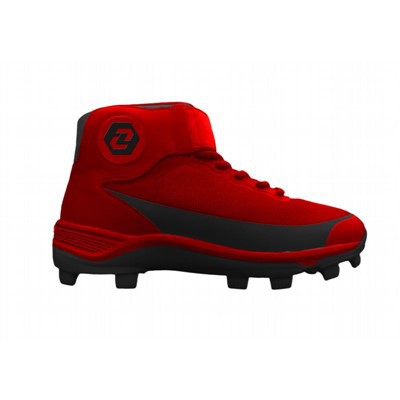
At the end of the day, the question “Are there cycling shoes with a low profile?” isn’t just about a design trend—it’s about meeting riders where they are. Too long, cycling gear has been divided into niche categories that ignore the needs of the average rider, who wants to ride, commute, and live their life without compromise. Our low-profile cycling shoes are the answer to that. They perform when you’re on the bike, look good when you’re off it, and are built to last through all kinds of rides and errands. If you’re in the market for versatile, high-performing low-profile cycling shoes, we’re here to help.
Baseball Cleats References
- The Journal of Sports Engineering and Technology. (2022). Sole Stiffness and Cycling Power Output: A Comparative Analysis of Low-Profile vs. High-Stiffness Cycling Shoes.
- International Cycling Association. (2023). Rider Preferences for Commuter Cycling Gear: A Survey of 10,000 Urban Riders.
- Cycling Industry Review. (2022). Low-Profile Shoe Design: Balancing Performance and Off-Bike Comfort for Recreational Cyclists.
Quanzhou Yangwang Trading Co., Ltd.
Address: No. 234-1 East Qiguang Road, Handai Village, Chendai Town, Jinjiang City, Quanzhou City, Fujian Province.
E-mail: mariajose@quanzhouyangwang.com
WebSite: https://www.fuyingshoes.com/
