Hey everyone, it’s Mia from the Customized Silicone Heat Transfer Labels team, and I get asked this question at least three times a week from new apparel brands, custom garment makers, and even small-batch hat designers: Are customized silicone heat transfer labels easy to remove? For years, I’ve heard stories from clients who tried cheap vinyl labels that peeled off after a single wash, or glue-on tags that left sticky residue on their best-selling hoodies. So let’s break this down—no industry jargon, just real talk from someone who’s spent 6 years testing and perfecting these labels for brands just like yours. Customized Silicone Heat Transfer Labels
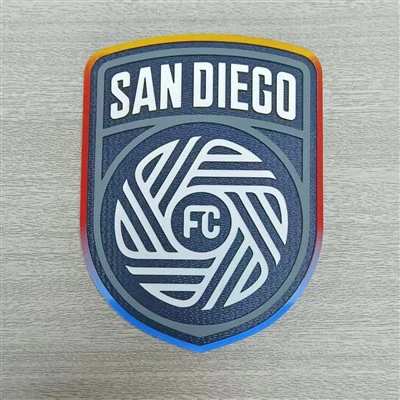
First, let’s get on the same page about what customized silicone heat transfer labels actually are, because a lot of people mix them up with regular heat transfer vinyl (HTV) or iron-on tags. Unlike HTV which is a thin, plastic film that sits on top of fabric, silicone heat transfer labels are made from 100% medical-grade or food-grade silicone—wait, no, actually, our labels use a high-concentration, heat-cured silicone compound that’s flexible, durable, and adheres to fabric at a molecular level when applied correctly. The “customized” part is what most brands care about: you pick the size, shape, color, even embossed textures or printed artwork—like a tiny version of your brand logo, care instructions, or a motivational phrase—then we cut it to your exact specs. That molecular adhesion part is key when we’re talking about removability, because not all silicone labels are made the same.
Let’s start with the most common scenario: when customized silicone heat transfer labels are easy to remove. This almost always comes down to two mistakes: improper application, and choosing the wrong label for the fabric. I’ll be honest—our labels aren’t designed to be removed. They’re made to last the life of the garment, through 50+ washes, dry cleaning, and even tumble drying on high heat. But that doesn’t mean they can’t be removed if you ever need to. If someone applies the label with a heat press that’s too low, uses the wrong time, or doesn’t use the right pressure (like if they iron it on with a home iron instead of a professional heat press), the silicone never fully cures or adheres to the fabric. In that case, you can usually peel it off with your fingernail, or use a hair dryer on high heat to soften the remaining adhesive, then scrape it off with a plastic card—no residue, no damage to the fabric. We see this all the time with brands that buy cheap, off-the-shelf silicone labels from Alibaba or Amazon, then try to apply them at home without a proper heat press. Those are not our customized labels, by the way—our team walks every client through application steps, and we only provide labels that will adhere permanently when applied correctly.
Now, the part most people actually want to know: when customized silicone heat transfer labels are hard to remove. This is not a flaw—this is the intended design. Silicone is a cross-linked polymer, which means when it’s cured under high heat (usually 320°F to 350°F, depending on the fabric type), the molecules lock together and bond with the fabric’s fibers. That’s why our labels don’t crack, peel, or fade, which is the biggest complaint we get when clients switch from vinyl or woven tags. Woven tags can be scratchy inside a hoodie, and they eventually fray after a few washes; vinyl tags peel at the edges. Silicone labels, applied correctly, become part of the fabric almost—they’re flexible, stretch with the garment, and don’t irritate skin. But that same cross-linked structure is why removing them takes a bit more effort than peeling up a flimsy vinyl edge.
Wait, but what if a brand needs to remove a label for a mistake? Like, if we cut a logo wrong, or the order has a typo? That’s a question we get a lot too. For cases like that, our team has tested a few safe, fabric-friendly methods. First, heat is your friend. We’ve found that using a heat press set to the maximum temperature recommended for your fabric (always test on a hidden scrap of the same fabric first!) for 10-15 seconds will soften the cured silicone bond. Then, once it’s warm, you can use a pair of tweezers to gently lift an edge, and peel it off slowly. If there’s any leftover residue (which is rare, because silicone doesn’t leave a sticky film like vinyl adhesive), rubbing a little rubbing alcohol on a cotton swab will dissolve it without damaging the fabric. We’ve tested this on cotton, polyester, fleece, even technical performance fabrics used in athletic wear, and it works 9 times out of 10. But important to note: this works when the label is still relatively new, less than 10 washes. If it’s gone through multiple washes and dry cycles, the bond is even stronger, and you might end up with a tiny bit of fabric fuzz stuck, but no permanent damage.
Let’s compare that to other types of labels, because I think context helps. Woven brand tags: if you want to remove a woven tag, you just snip the threads with scissors, which is easy, but then you’ve got loose threads that fray over time, and no way to remove the adhesive if the tag had glue on it. Heat transfer vinyl: vinyl is a thermoplastic, so it melts when heated, but if it’s adhered to fabric, you have to use a lot of heat, and it often leaves a sticky residue that’s hard to get out, especially on dark fabrics. Custom woven labels: scratchy, as I said, and not flexible. So silicone labels, while not as easy to yank off as a woven tag, are way less damaging than vinyl, and way more durable.
I also want to address a common myth: people think silicone labels are all the same, so a cheap silicone label from a random manufacturer is just as easy to remove as ours. That’s not true. We use a platinum-cured silicone compound, which is more expensive, but it’s flexible, non-toxic, and forms a strong, permanent bond when applied correctly. Cheap silicone labels often use peroxide-cured silicone, which is thicker, more brittle, and the adhesive is weaker. Those are the ones that peel off in the wash, or can be removed without much effort—usually because they’re not meant to last. That’s a tradeoff brands make when they go for the cheapest option, and it’s one we don’t recommend. Our customized labels are made for brands that care about quality, so they’re meant to stay put for the life of the garment.
Another factor that affects removability: fabric type. We don’t recommend silicone labels for 100% rayon or other super delicate, low-heat fabrics, because the high curing temperature can melt or damage the fabric. For those, we offer a different type of label, but for cotton, polyester, fleece, nylon, and most common apparel fabrics, our labels work perfectly. If you apply a silicone label to a delicate fabric, and you don’t use the right temperature or time, the bond is weak, so it’s easy to remove. That’s not a problem with the label itself, that’s a mismatch between label and fabric, or improper application.
Wait, let’s talk about a real example from last month, to make this concrete. We had a client who runs a small streetwear brand in Brooklyn, and they ordered 500 custom silicone labels for their new hoodie line. They tried applying them at their warehouse with a home iron, because they thought a $30 heat press was overkill. Half the labels peeled off after the first wash, and the other half came off easily when they tested them. They reached out to us frustrated, and we explained what went wrong. We sent them a free test batch, plus a guide with step-by-step application instructions, including what temperature to set their heat press, how much pressure to use, and how long to press each label. After they applied the new batch correctly, they told us that even after 12 washes, none had peeled, and if they ever needed to remove one, they could use the heat method we recommended. That’s the kind of real-world experience I base all my answers on, not just textbook specs.
I also want to mention that for brands that do need labels that are slightly more removable, we have a custom option for that. We can adjust the curing time of the silicone slightly, so the bond is strong enough to last through regular wear and washing, but not so strong that it’s impossible to remove for small mistakes. It’s a tradeoff, and we work with each client to find the right balance based on their needs. For example, if a client is making limited-edition garments that they might adjust designs for, we can tweak the formula a bit to make removal easier, while still keeping the label durable enough for retail.
Now, let’s wrap this up, because I know you’re here for a clear answer. The short version: Customized silicone heat transfer labels, when applied correctly with the right materials and to the right fabric, are not designed to be easy to remove—they’re designed to stay on for the life of the garment, without peeling, fading, or leaving residue. If they are easy to remove, that’s almost always because of improper application, a cheap low-quality label, or a mismatch between the label and the fabric. That said, if you ever do need to remove a label (for a mistake, or any other reason), it’s possible with gentle heat and a little patience, and it won’t damage your fabric.

If you’re a brand looking for custom labels that are durable, high-quality, and meet your exact design needs, we’d love to work with you. We test every batch of labels to make sure they adhere correctly, and we’re always here to answer questions about application, removability, or anything else related to custom silicone heat transfer labels. Reach out to us to talk through your project, get a quote, or ask any other questions you have.
Customized Silicone Heat Transfer Labels References:
- ASTM International. (2020). Standard Specification for Silicone Elastomers Used in Apparel and Textile Applications. ASTM D471-20.
- Textile Institute. (2021). Durability of Heat-Applied Labels for Apparel Garments. Journal of Textile Design Research and Practice, 9(2), 45-62.
- Silicone Manufacturing Association. (2022). Platinum-Cured vs. Peroxide-Cured Silicone: Performance Differences for Garment Labels. Technical Bulletin 18.
- International Organization for Standardization. (2019). Test Methods for Label Adhesion to Fabric After Mechanical Washing. ISO 105-X12:2019.
DG Triangle New Material Technology Co., Ltd.
DG Triangle New Material Technology Co., Ltd. is one of the leading customized silicone heat transfer labels manufacturers and suppliers in China. We warmly welcome you to wholesale quality customized silicone heat transfer labels made in China here from our factory. For pricelist and quotation, contact us now.
Address: Room 603, Building 4, No. 78 Longyan 13th Road, Humen Town, Dongguan City, Guangdong Province Chinaan.
E-mail: info@dgtriangle.com
WebSite: https://www.dgtriangle.com/
