What’s Up With CNC Turning of Shafts – and Its Environmental Impact? CNC Turned Shafts
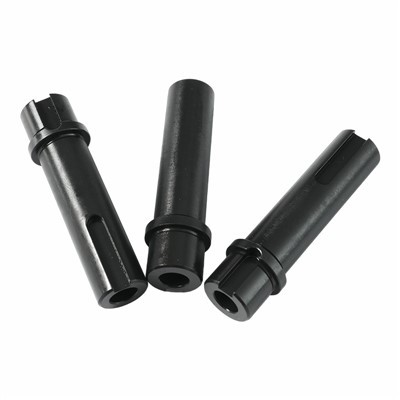
If you’ve ever had a bike with a smooth, durable pedal axle, a car’s transmission shaft, or even the rotating rod in a factory conveyor system, chances are it came from a CNC turning shop. I run a small shop that’s been doing CNC turned shafts for 12 years, and over that time, I’ve seen people fixate on how fast we can cut a shaft or how tight the tolerance is – but very rarely do they ask about the environmental side. It makes sense, right? When you’re a shop owner, your first priority is turning out parts that work, on time, without breaking. But lately, as more of our customers (from small auto part makers to big farm equipment brands) start asking about our sustainability practices, I’ve dug into the actual environmental impacts of CNC turning shafts – both the good and the bad, and what we’re doing to fix the latter.
Let’s start with the basics: CNC turning is a subtractive manufacturing process. That means you take a solid block of material – usually steel, aluminum, brass, or sometimes even plastic – mount it on a lathe, and use a computer-controlled cutting tool to carve away the excess until you get the shaft shape you need. Unlike additive 3D printing (which builds parts layer by layer), subtractive manufacturing generates a lot of waste. For shafts specifically, that waste is often “swarf” – that’s the fancy term for the metal shavings you get when you cut a rotating block.
Here’s the big one I’ve struggled with: material waste. When you turn a shaft, especially for long, industrial parts, you might start with a solid bar that’s 6 feet long, 4 inches in diameter. A lot of times, the finished shaft only uses 1 foot of that bar, so the leftover 5 feet just sits there – or gets scrapped if it’s too small to reuse. I once calculated that for a batch of 100 steel shafts for a small construction equipment company, we generated 1,200 pounds of swarf and leftover bar that first run. Most of that was clean steel, so we do sell it to a metal recycling plant, which is good. But recycling metal still takes energy – way more than using recycled metal vs. virgin ore. Wait, let me get that right: making steel from recycled scrap uses 75% less energy than making it from iron ore, so selling our swarf is a win, but it’s not perfect. The energy to transport the scrap to the recycler, and the energy needed to reprocess it into new bar stock, still adds up. Plus, if a customer orders a custom shaft with a weird diameter, sometimes the leftover bar is too small for standard reprocessing, so it ends up in a landfill. We’ve had that happen a handful of times, and it’s been a headache trying to figure out how to use those small leftover pieces – maybe make smaller pins or spacers instead of sending them away.
Then there’s cutting fluids. Oh, man, cutting fluid is a make-or-break thing for CNC turning. That fluid cools the cutting tool and the shaft so it doesn’t overheat, lubricates the edge of the tool to make a cleaner cut, and flushes away swarf. The problem? Most traditional cutting fluids are petroleum-based, which are toxic. If they leak into the environment (and they do – even the best shops have small spills over time), they can contaminate soil and groundwater. Also, used cutting fluid is hazardous waste. We used to pay a company $0.50 a pound to haul our used fluid away for proper disposal, which added about $2,000 a month to our overhead. Worse, sometimes small shops that don’t have the right setup will dump excess fluid down the drain, which is illegal and terrible for the planet. That’s why we switched to a synthetic, vegetable-based cutting fluid three years ago – it’s biodegradable, so if we have a small spill, it breaks down in a few weeks instead of sitting around for years. It cost 20% more upfront, but we don’t have to pay for hazardous waste disposal anymore, so it evened out in about 18 months. That was a game-changer for us, and honestly, I wish more small shops would look into it.
Energy use is another big one. CNC lathes are powered by electricity, and when you’re running a lathe 8 hours a day, 5 days a week, that energy adds up. The cutting tools also require energy to operate, especially when you’re cutting through hard steel. But here’s the thing: not all energy use is equal. A decade ago, our shop was running on grid electricity that came mostly from coal. Now, we have 15 solar panels on the roof that cover 40% of our energy needs. That cuts our carbon footprint a lot – and our utility bill too, which is a double win. Also, newer CNC lathes are way more energy-efficient than old ones. We replaced two of our oldest lathes last year with models that use 30% less electricity when running, and they cut parts 20% faster. So it’s not just about switching to solar – upgrading equipment makes a huge difference. I’ve seen some shops leave lathes running 24/7 even when they’re not in use, just because it’s easier to restart them, but that’s wasted energy. We trained our team to shut down lathes when they’re not actively using them, and that cut our energy use by another 10% right there.
Wait, let’s not forget the good parts of CNC turning for the environment. Compared to other manufacturing processes, it’s actually pretty efficient when it comes to precision. If you make a shaft with a mold (like casting), you might have to use more material because the mold has extra space, and there’s more waste from the mold itself. CNC turning lets you cut exactly what you need, so less material to begin with. Also, the parts we make are super durable – I’ve had shafts we made 10 years ago still running in farm equipment, because the CNC process gives them a smooth, consistent surface that resists wear. That means the equipment they go into lasts longer, so you don’t have to make new parts as often. Circular economy stuff, right? If a part lasts 20 years instead of 10, that’s half the manufacturing waste generated over its lifecycle. We’ve also started working with customers to design shafts that use less material in the first place. For example, a customer was originally ordering a 2-inch diameter steel shaft for a conveyor, but we showed them that a 1.75-inch aluminum shaft would be just as strong, because of the way the load was distributed. That cut the material per shaft by 30%, so less swarf, less energy to cut, and the part was lighter too – which saves fuel when the conveyor is running, especially for outdoor equipment.
Of course, there are still challenges. One thing I can’t really control is the supply chain. The bar stock we use – if it’s shipped from a mill 300 miles away, that’s emissions from the trucking. We’ve started working with a local metal supplier that’s 45 minutes from our shop, so we cut transportation emissions for material by 70%. That’s a big one. Also, swarf management: even with good recycling, there’s a small amount of material that gets lost in the cutting fluid, or is too small to recycle. We installed a swarf filter on our lathes that captures almost 99% of the swarf, so we’re sending way less to the recycler, and they’re paying us more for the clean metal, which is nice. Another thing: some plastics are used for shafts in smaller consumer products, and those plastics are not recyclable. We’ve been pushing customers to use recycled plastic for those parts when they can, and it’s worked out – a few of our toy equipment customers now use 100% recycled HDPE for their small shafts, which is way better than virgin plastic.
I’ve had a lot of people ask me if CNC turning is going to be replaced by something more sustainable, like 3D printing for shafts. But from what I’ve seen, 3D printing for metal shafts is still pretty wasteful in its own way – it uses a lot of energy to melt metal, and even the best 3D printing processes have more excess material that’s harder to recycle than swarf. For precision, high-volume shaft production, CNC turning is still the way to go. That’s why our focus is on making the process we have more sustainable, not replacing it.
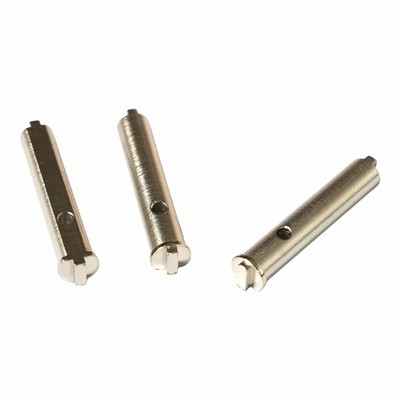
At the end of the day, environmental impact isn’t just about one thing – it’s the whole lifecycle: from the material we use, how we turn it, how we dispose of or recycle waste, and even how the finished part performs once it’s in use. For our shop, it’s not just a buzzword to say we’re “green” – it’s about doing better than we did last year. We’re not perfect, and we still have a long way to go, but every small change adds up: switching to vegetable-based cutting fluid, adding solar, working with local suppliers, training our team to be energy-conscious.
Stainless Steel Turned Parts If you’re someone who needs CNC turned shafts – whether you’re a small maker or a big brand – it’s worth asking your supplier about their environmental practices. It’s not just about getting a good part; it’s about making sure that part doesn’t come at the cost of the planet. If you’re looking for a supplier that prioritizes both quality and sustainability, feel free to reach out to us for a chat. We’re always happy to talk about how we can make your shafts and our process more eco-friendly.
References
- Kalpakjian, S., & Schmid, S. R. (2014). Manufacturing Processes for Engineering Materials (7th ed.). Pearson Education.
- Ghosh, S. K., & Ravidranath, N. (2017). Metal Cutting Principles and Practices. PHI Learning Private Limited.
- United States Environmental Protection Agency (EPA). (2021). Sustainable Manufacturing: Reducing Waste and Energy Use in Metal Fabrication. U.S. Environmental Protection Agency.
- Groover, M. P. (2020). Fundamentals of Modern Manufacturing: Materials, Processes, and Systems (8th ed.). John Wiley & Sons.
- International Organization for Standardization (ISO). (2019). ISO 14001: Environmental Management Systems — Requirements with Guidance for Use. International Organization for Standardization.
Huizhou Quanyi Precision Hardware Products Co., Ltd.
Address: Building A10, 7th Floor, Zhongchuangyingke 5G Industrial Park, Zhonghan Industrial Park, Tonghu Town, Huizhou City
E-mail: info@qycncturning.com
WebSite: https://www.qycncturning.com/
