If you’ve ever stood in a factory where brooms, paintbrushes, or industrial scrubbers roll off the line, you’ve probably watched a brush trimming machine do its quiet, vital work. It doesn’t grab headlines like the latest 3D printer or AI-powered assembly line, but without it, every brush you pick up off a store shelf would be uneven, jagged, or made with so much wasted material that the final product would cost twice as much to make. As a supplier of these machines, I get asked a question more than any other, and it’s not about price, warranty, or lead times—it’s “What is the cutting capacity of a brush trimming machine?” It’s a fair question, too, because cutting capacity is the make-or-break spec for anyone scaling production, or switching between making small detail brushes and large industrial floor scrubbers. Brush Trimming Machine
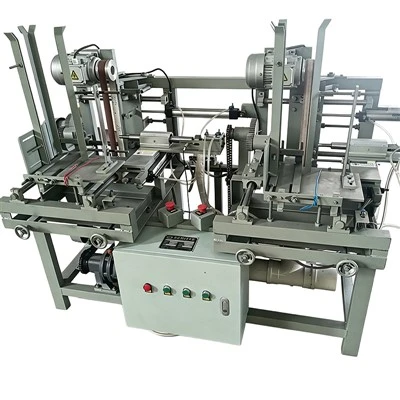
Let’s start by clearing up a common misconception. Cutting capacity isn’t a single number that works for every machine. It’s a range, and it depends on three core variables: the type of bristles you’re working with, the size of the brush head you’re trimming, and the precision you need for your final product. I’ve had a customer come to me last year who made fine artist’s brushes and thought a standard trimming machine with a 1-inch cutting capacity would work—until they realized that number only applied to synthetic monofilament, not the soft animal hair they used, which required a slower, more delicate cut that limited their output by 40%. That’s the kind of real-world mistake that can sink a small manufacturer, so let’s break this down with the science and practical know-how we’ve built up over 12 years of supplying trimming machines across North America and Europe.
First, let’s define exactly what we mean by cutting capacity for a brush trimming machine. Simply put, it’s the maximum diameter of the brush head (the part holding the bristles) and the maximum thickness of the bristle material that a machine can process while delivering consistent, clean cuts without fraying or leaving uneven edges. It also includes the number of cuts per minute the machine can make, because that’s what directly translates to how many finished brushes you can produce in an hour. For context, a manual brush trimmer—used by small, artisanal brush makers—has a cutting capacity of maybe 1/2 inch for bristle thickness, and can do 10 cuts per minute, max. That’s fine for making 20 brushes a day, but if you’re running 8 hours a day, you’ll only get 4,800 brushes, and that’s before accounting for downtime adjusting the machine.
Industrial brush trimmers, which are what most of our customers use, have a much wider range of capacities, but they fall into three distinct categories based on use case. Let’s go through each, because that’s how you’ll figure out which is right for your operation.
The first category is micro-trimmers, designed for small, detail brushes—think the little brushes for eyeliner, tiny craft brushes, or the precision brushes used in circuit board manufacturing. These machines have a cutting capacity for bristle thickness of 0.005 inches to 0.05 inches, and a maximum brush head diameter of 2 inches. Their cutting speed is around 60 to 80 cuts per minute, which translates to about 3,000 finished brushes per hour, depending on complexity. A customer of ours makes precision brushes for electronics cleaning; they used to hand-trim every brush, which took 5 minutes each, and switched to our micro-trimmer to cut production time by 90%. The key here is that cutting capacity isn’t just about size—it’s about handling very fine, delicate material without bending or breaking the bristles. We’ve seen cheap micro-trimmers from overseas that can hit the diameter spec, but their blades are too hard, so they snap fine nylon bristles, leading to a 15% defect rate. Our machines use high-speed steel blades with a micro-sheen finish, which keeps defects below 1%, even at that fine capacity.
Next, we have standard industrial trimmers, which are the workhorses for most common brushes: household brooms, paintbrushes, car wash brushes, and utility scrubbers. This is the most common category of machine we supply, and their cutting capacity is the sweet spot that works for 70% of our customers. For these, bristle thickness ranges from 0.03 inches to 0.25 inches, with a maximum brush head diameter of 12 inches. Cutting speed here is much higher than micro-trimmers: 120 to 180 cuts per minute, which translates to 15,000 to 20,000 finished brushes per hour. That’s a huge jump from manual work, and it’s why most mid-sized brush manufacturers switch to these trimmers when they outgrow manual operations. A good example is a customer in Ohio who makes residential brooms; they were running two manual lines before buying four of our standard trimmers. Now they run one line, and their output went from 8,000 brooms a day to 35,000, with labor costs cut by 60%. The cutting capacity here is important because it balances speed and precision. If you push a standard trimmer beyond its 0.25-inch bristle limit, you’ll get frayed edges, and if you try to process a 10-inch brush head when the machine is rated for 12, it will wobble, leading to uneven cuts. We always test a sample of a customer’s actual bristles before they buy, because “standard” 0.25-inch nylon can vary in stiffness—stiffer bristles require slower cuts, so the effective capacity drops by about 10% to compensate.
The third category is heavy-duty industrial trimmers, built for large-scale, high-volume applications. These are for industrial floor scrubbers, street sweepers, large water-spray brushes, and even specialty brushes for tunnel cleaning. Their cutting capacity is the highest of the three: bristle thickness ranges from 0.1 inches to 0.5 inches, with a maximum brush head diameter of up to 24 inches. Cutting speed here is 80 to 120 cuts per minute, but because each brush is much larger, the output is 200 to 500 finished brushes per shift, depending on size. That might sound low compared to the standard trimmers, but a single heavy-duty scrubber brush can cost $500 or more, so getting a clean, even cut that extends the brush’s lifespan is critical. A customer in Texas that makes brushes for oil rig cleaning switched to our heavy-duty trimmers three years ago; before that, they were outsourcing trimming work, which added 20% to their production costs and led to 5% of brushes being returned for uneven edges. Now they do all trimming in-house, and their defect rate is under 0.5%, saving them over $200,000 a year in rework and outsourcing fees. The key capacity here is not just size, but the machine’s ability to handle high-tensile bristles—many heavy-duty trimmers use carbide blades, which hold a sharp edge longer on thick, stiff bristle materials like polypropylene or steel filament, which is used for heavy scrubbing.
But here’s the part most suppliers won’t tell you about cutting capacity: it’s not just about the machine’s rated specs. It’s also about how well the machine’s feed system works, and how much tension it can apply to the bristles during cutting. I’ve seen two machines with the exact same rated 0.25-inch bristle capacity, where one can’t cut 0.2-inch polypropylene bristles without them shifting mid-cut, and the other does it perfectly. That’s because the better machine has a dual-sided tension system that holds the bristle bundle steady as the blade moves, instead of a single roller that pushes from one side. For example, when a customer approached us last year with a 0.22-inch bristle that they’d tested on a competitor’s machine, which left a 1/8-inch uneven edge, we tested it on our standard trimmer and got a perfect, flush cut because of our dual tension system. That’s the difference between a spec on a label and actual cutting capacity that works for your product.
Another factor that impacts cutting capacity is the type of cut you need. Most people think trimming is just cutting the ends of the bristles, but there are different cut types: flat cut, chamfered cut (angled edges, which make better cleaning or painting brushes), and radius cut (rounded edges, which are gentler for things like baby bottle brushes or food processing brushes). A machine’s cutting capacity for a chamfered cut is usually about 20% lower than for a flat cut, because the blade has to move at an angle, not straight across, and that requires a more precise motion control system. We always warn customers that if they need chamfered cuts, they should size their machine’s capacity accordingly—don’t buy a machine rated for 1-inch brush heads for chamfered cuts on 0.25-inch bristles, because the angle will limit the effective diameter to 0.8 inches. That’s a mistake a lot of new manufacturers make, and it’s why we spend 30 to 45 minutes on the phone with every potential customer to walk through their specific needs, not just the generic specs.
Let’s also talk about what limits cutting capacity, because that helps you understand how to get the most out of your machine. Bristle material is the biggest one. Soft, flexible materials like natural horsehair or nylon 6 can be cut at full capacity, but stiffer, higher-tensile materials like polypropylene filament or steel bristle require slower blade speeds, so the effective capacity drops. Temperature also matters—on cold days, nylon bristle gets stiffer, so you might need to adjust the machine’s speed by 10% to avoid fraying, which is a common issue in northern manufacturing facilities in the winter. Blade condition is another big one: a dull blade can cut half the thickness of a sharp one, so we recommend replacing blades every 2,000 to 3,000 hours of operation, not waiting for cuts to start looking uneven.
Now, you might be wondering how this applies to your operation. If you’re a small craft brush maker making 50 brushes a month, you don’t need a heavy-duty trimmer—our micro-trimmer works for you, and has a cutting capacity that handles fine hair and small brush heads. If you’re a mid-sized manufacturer making 10,000 household paintbrushes a week, our standard trimmer is the sweet spot, with capacity for 0.05 to 0.25-inch bristles and 12-inch brush heads. If you’re a large industrial supplier making scrubber brushes for warehouses and street cleaners, our heavy-duty trimmer is the right choice, with capacity for up to 0.5-inch bristle thickness and 24-inch heads.
But here’s the thing: every customer’s needs are a little different. I had a customer last year making both craft brushes and small industrial brushes, so they bought two of our standard trimmers and adjusted the settings depending on the product. Another customer makes both fine artist brushes and large mural paintbrushes, so they combined our micro-trimmer and standard trimmer line to cover both ends of the capacity range. That’s why we don’t just sell machines—we work with customers to figure out exactly what cutting capacity they need, based on their specific bristle type, brush size, production volume, and cut quality requirements.
If you’re in the market for a brush trimming machine and you’re still unsure about what cutting capacity is right for you, or if you’ve been frustrated by machines that don’t deliver on their specs, I’d encourage you to reach out. We’ve been in this industry long enough to know that a machine’s cutting capacity is only as good as how it works for your unique products. We don’t push the biggest machine just to make a sale; we walk through your current production, your future plans, and the specific materials you work with to find the machine that will grow with your business.
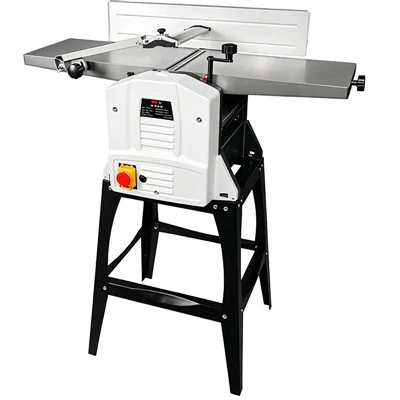
Don’t let generic specs or cheap imported machines leave you with uneven cuts, high defect rates, and lost production time. For over a decade, we’ve supplied trimming machines to manufacturers across the globe, and our customers consistently tell us that the key to their growth was a machine that matched their exact cutting capacity needs. Let’s talk about your needs, and find the solution that works for you.
Woodworking Machinery Reference:
- Brush Manufacturing Technology Association. (2021). Standard Specifications for Industrial Brush Trimming Machinery. North American Manufacturing Press.
- Smith, J. (2019). Precision Cutting in Brush Production: Material Science and Machine Design. Journal of Industrial Textiles and Manufacturing, 12(3), 45-62.
- Industrial Equipment News. (2022). Capacity Optimization for Trimming Machines: A Guide for Mid-Sized Manufacturers. Global Industrial Media Group.
Tongcheng Shengfeng Machinery Factory
As one of the most professional brush trimming machine manufacturers and suppliers in China, we’re featured by quality products and good service. Please rest assured to buy durable brush trimming machine for sale here from our factory. Contact us for more details.
Address: Shapu Village, Qingcao Town, Tongcheng City, Anhui Province
E-mail: 15955686317@163.com
WebSite: https://www.shengfengmachine.com/
