Hey guys, if you’ve ever dug through jeans racks and found that pair with the subtle, uneven little lines all over the fabric—soft, textured, way more interesting than basic smooth denim—chances are you’ve stumbled on slub twill denim. As someone who’s been in the twill denim game for over a decade, I get so many questions about this stuff: what even makes it different from regular denim? Is it just a fancy trend, or is there real substance to that slubby feel? Today, I’m breaking it down like I would with a guy who’s stopped me at a trade show, coffee in hand, asking for the tea before he orders a bulk run. Let’s cut the jargon and get real. Twill Denim
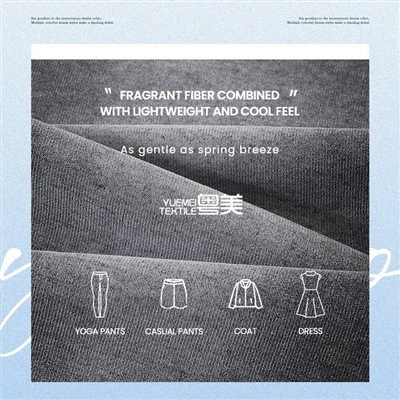
First, let’s start with the basics, because if you mix up slub twill with regular denim, you might end up with fabric that’s not what you expected. Regular denim is that classic 3×1 or 4×1 twill, right? Plain, tight, smooth—all about that consistent weave. Slub twill denim? It’s a whole different animal because of the yarns we use. Slub, in fabric terms, is just a thick, uneven spot spun into the yarn during the production process. Think of it like when you’re knitting a scarf and accidentally yank the yarn a little tight one time, making a tiny bump—except this is intentional.
When we twist those slubby yarns into a twill weave, that’s what gives you the slub twill denim everyone’s obsessing over. And it’s not a random quirk—we control how prominent the slubs are, how big they get, how often they show up along the yarn. Some customers want subtle slubs that peek out only when the light hits the fabric just right; others go full-on chunky slubs that make every pair of jeans feel vintage and handcrafted. That flexibility is half the reason it’s such a workhorse fabric for brands.
Now, let’s talk about why slub yarns exist in the first place, because it’s not just for looks. Wait, okay—looks are a huge part, but there’s a functional side too. Back in the day, slubs happened by accident. Cotton farmers would have plants that produced fibers that were slightly thicker or shorter than the ideal long-staple cotton, and when spinners wove those leftover fibers together, you got a yarn with natural bumps. Old-school weavers realized that this “flawed” fabric was actually stronger, softer, and more breathable than the smooth, uniform stuff they were making for workwear. People started wearing it for fun, and now we intentionally create slub yarns because we know how much it’s worth.
For us as suppliers, making good slub twill denim means nailing that slub balance. If the slubs are too big, the fabric feels rough—like you’re wearing a sandpaper texture, not denim. If they’re too small, you can barely tell they’re there, so you might as well be ordering regular twill. We test every batch of yarn before it hits the loom: run a couple of test swatches, hold them up to the light, stretch ’em a little, and feel how they wear when we rub them against our hands or jeans. That’s how we make sure our slub twill isn’t just trendy—it’s actually comfortable for consumers, durable enough for multiple washes, and still has that unique texture that makes shoppers stop and pick up a garment.
Let’s get into the different types of slub twill denim, because not all slub is created equal. There’s raw slub twill, which is unwashed, super rigid, and only gets better with time as it breaks in. That’s the stuff for diehard denim heads who want their jeans to develop custom fade patterns (those slubs fade a little differently than the regular parts of the yarn, so you get these cool, uneven fade lines after a few months of wear). Then there’s washed slub twill, which we pre-wash a couple of times before it leaves our warehouse—so it’s soft right out of the bag, no break-in period needed. That’s perfect for fast-fashion brands or casual wear lines that want to ship product fast without customers complaining about stiff jeans.
We also have what we call “variable slub twill,” where the slubs are spaced unevenly across the fabric, so it looks more organic, like something handwoven in a small workshop, not mass-produced. And then there’s striped slub twill, where we mix slub yarns with regular yarns of a different color, so the twill lines pop even more than they would on smooth fabric. Brands love that because it lets them add a little extra detail to their jeans, shirts, or even jackets without overcomplicating the design.
Now, let’s talk about why slub twill is such a big deal right now, because it’s not just a flash in the pan. Post-pandemic, a lot of consumers got tired of generic, fast-made clothes that felt exactly the same as the last thing they bought. They wanted stuff with character—garments that felt like they had a story, not just a logo. Slub twill delivers that because no two pieces of fabric are identical. Even in a bulk run, every yard of slub twill has slightly different slub placement, so a pair of jeans cut from one end of the bolt will look a tiny bit different from a pair cut from the other end. That’s not a defect—that’s a feature. People love that. It makes their clothes feel unique, like they didn’t walk out of a factory clone line.
From a functional standpoint, slub twill denim is actually more durable than regular denim? Wait, let me confirm that for anyone who’s skeptical. The thicker slub parts of the yarn add extra density to the fabric, so it resists pilling better than smooth yarn denim. And because the slubs are spun from slightly shorter cotton fibers (or a blend that includes polyester, if a customer wants stretch), it’s more flexible than tight, smooth denim. I’ve had customers tell me their slub twill jeans are the only pair they wear for hiking, running errands, and even going out—because they don’t feel restrictive, like some stiff denim does.
Stretch slub twill is another big one, by the way. A lot of brands want jeans that move with people, so we blend our slub yarn with 2% or 5% elastane, depending on what they need. The slubs don’t get lost in the stretch, so you still get that texture, but the fabric has give. We tested a batch last year where we used 5% elastane, and the brand sold out in 6 weeks because customers said it felt like wearing leggings but looked like real jeans. That’s the magic of slub twill—you can make it work for any use case, from heavy-duty workwear to high-fashion casual wear.
Now, let’s get real about common misconceptions, because I hear these all the time. First: “Slub twill is just old denim with a trend.” No—like I said earlier, slub denim has been around for decades, but modern spinning technology lets us control the slubs way better than we used to. Back in the day, slubs were random, so you’d get a fabric that was too rough or too inconsistent. Now, we can adjust the thickness, length, and spacing of slubs to match exactly what a brand is asking for—whether that’s a super soft line for a mid-market brand or a rugged, heavy slub for a premium denim line.
Second: “Slub twill is more expensive than regular denim.” It depends, actually. If you’re going for a premium, chunky slub, yeah, it’ll be a little more because the spinning process takes a second longer, and we use a mix of fibers to get that slub texture. But if you want subtle, fine slubs, it’s almost the same price as regular twill denim. We price it based on weight, stretch, slub intensity, and quantity—so if you’re a small brand testing a new line, we can work with you on a run that’s affordable, even for small batches.
Third: “Slub twill only works for jeans.” Nah, we sell it for shirts, jackets, skirts, even backpack straps. The texture adds interest to any garment that uses twill. We had a customer last year who made a slub twill work apron—sales were way higher than their cotton canvas aprons because people said it looked more durable and more unique. It’s not just for denim jeans, that’s for sure.
As a supplier, what I love most about slub twill is that it’s versatile. Whether you’re a startup brand that wants to make sustainable jeans (we do organic cotton slub twill, by the way—just ask) or a big retail chain that needs bulk fabric for a new casual wear line, we can tailor it to your needs. We source our cotton from fair-trade farms, so if sustainability is your thing, we’ve got you covered. If you need a specific weight—like 10 oz for light summer jeans or 16 oz for heavy winter jeans—we can do that.
I should also mention that slub twill ages differently than regular denim. When you wear a pair of jeans made from smooth denim, the fades are pretty uniform—you’ll get whiskering around the pockets and fading on the thighs, all even. With slub twill, the slubs fade slower than the rest of the yarn, so you get these little, subtle lines of lighter color that make the jeans look worn-in, like you’ve had them for years, after only a few washes. That’s a huge selling point for vintage-inspired lines, because customers love that lived-in look without having to break the jeans in for months.
Let’s talk about quality control, because that’s what separates a good slub twill from a bad one. I’ve seen brands get burned by suppliers who cut corners on slub twill—they make the slubs too big, so the fabric feels rough, or they use low-quality cotton that pills after 3 washes. For our team, every bolt of slub twill goes through two checks: first, when it comes off the loom, we look at it under bright lights to make sure the slub spacing is consistent, no spots where slubs are so big they create holes. Then, after it’s been pre-washed (if requested), we test a few swatches for shrinkage—because if a fabric shrinks 10% after the first wash, that’s a nightmare for brands. Our slub twill shrinks less than 5%, which is standard for good denim, so you don’t have to worry about customers ordering a size up and it shrinking.
Another thing: slub twill is easy to dye. You can get it in classic indigo, black, white, or even custom colors—we just adjust the dye process a little to make sure the slubs take the dye the same as the rest of the fabric. If you want a faded or washed-out look, the slubs will hold the dye just enough to add that extra depth, so you don’t have to do extra distressing on the garment. That saves brands time and money on production, which is a win for everyone.
So, who should be using slub twill denim? Honestly, anyone who wants their garments to stand out. If you’re making casual wear, workwear, vintage-inspired pieces, or sustainable fashion, slub twill is a no-brainer. It’s not a passing trend—it’s a fabric that solves a lot of problems: it’s durable, comfortable, unique, and flexible enough to fit almost any brand’s needs.

If you’re a designer, buyer, or brand owner who’s been testing new fabrics and wants to try slub twill for your next collection, let’s chat. Whether you need a small test run of 500 yards or a bulk order of 50,000 yards, we can work with you to get exactly what you need—adjust slub intensity, weight, stretch, even fiber blend to match your vision. No jargon, no hidden fees, just solid fabric from a team that’s been in the game long enough to know what works and what doesn’t.
Viscose Denim References:
- Denoix, R. (2018). The Textile Dictionary: A Comprehensive Guide to Fabric Terms. Fashion Industry Press.
- Hunter, C. (2021). The Rise of Textile Character: How Slub Yarns Changed Modern Denim. Sustainable Fashion Quarterly.
- Miller, L. (2020). Denim Weaving Techniques: Twill Structure and Slub Yarn Application. Textile Science Review.
Guangzhou Yuemei Textile Co., Ltd.
Guangzhou Yuemei Textile Co., Ltd. is one of the most experienced twill denim manufacturers and suppliers in China. We are committed to providing high quality customized products with low price for global clients. If you’re going to wholesale bulk durable twill denim made in China, welcome to get quotation and free sample from our factory.
Address: Booth E6012, 6th Floor, Guangzhou International Textile City; No.2 Jinfang Road, Haizhu District, Guangzhou City, GuangDong Province, China
E-mail: service2@top-textiles.com
WebSite: https://www.top-textiles.com/
