If you’ve ever dug into potassium supplements, food preservatives, or even pharmaceutical formulations, you’ve probably stumbled on two terms: potassium chloride and potassium citrate. I’m the owner of a small citrates supply company, and I get questions about these two all the time. A lot of folks mix them up, especially since they’re both potassium salts—so let’s break this down like I’d explain it to a new client who just reached out asking for a custom bulk order. Citrates

First, let’s start with the basics: both are sources of potassium, that essential mineral your body needs for nerve function, muscle contraction, blood pressure, and even balancing your body’s pH levels. But their core differences come down to the “pair” they’re bonded with, and that changes how they work, where they’re used, and who benefits more from them. That’s where being a citrate supplier comes in—this is exactly the niche where my team specializes, so I’ve worked through every use case with clients from sports nutrition brands to hospitals.
Let’s talk about potassium chloride first, the more common of the two for decades. It’s simple: potassium + chloride. Think of it like table salt, which is sodium chloride—they’re both metal + halogen pairs. Potassium chloride was the go-to for supplements, food processing, and even water softeners for a long time because it’s cheap to mine and mass-produce. It’s super easy to get, which is why you’ll see it in everything from “low-sodium” chips (they swap some regular salt for potassium chloride) to electrolyte packets for runners. It even used to be the main ingredient in IV potassium drips for hospitals, back before we had a better option.
But here’s the catch with potassium chloride: chloride is acidic. When you consume it, your body breaks it down, and that byproduct can slightly lower your blood’s pH over time. For most healthy people, that’s not a big deal—your kidneys are built to balance it out. But for people with pre-existing issues? That’s where potassium citrate stands out. It’s potassium + citrate, a byproduct of your own body’s Krebs cycle (that’s the energy-making process in your cells). Citrate is alkaline, so when your body breaks down potassium citrate, it leaves behind an alkaline residue instead of an acidic one. That’s a game-changer for a lot of groups.
I see this come up most with kidney stone patients. If you’ve ever dealt with kidney stones, you know how frustrating they are—most are calcium oxalate stones, and one of the best ways to prevent them is keeping your urine’s pH alkaline. Potassium citrate does exactly that: it raises urine pH, which stops calcium from sticking together to form stones. I’ve sent bulk orders of potassium citrate to urology clinics for their patient supplement kits, and the feedback is consistent: it’s way easier on their systems than old potassium chloride pills, which a lot of patients complained caused stomach irritation or even nausea.
That’s another key difference: side effects. Both potassium types can cause gastrointestinal issues if you take too much on an empty stomach, but potassium chloride is way more likely to trigger that. Because of the acidic residue, it can irritate the lining of your stomach and intestines, leading to cramping, diarrhea, or even ulcers in severe cases. I’ve had a few clients switch from chloride to citrate after their product testing showed a high number of customer complaints about upset stomach—once they swapped, those complaints dropped almost entirely. Plus, potassium citrate tastes way milder when added to foods or drinks, so it’s easier to incorporate into things like sports beverages without that harsh metallic aftertaste that chloride has.
Don’t get me wrong—potassium chloride isn’t useless. It’s still the right choice for a lot of applications. For example, agricultural fertilizers: potassium chloride is a top choice for crops because chloride is a nutrient that plants need in small amounts. Water softeners also use it, since it’s cheaper than citrate, and the chloride doesn’t pose a health risk there. But for human consumption, especially for people with certain conditions or for products where taste and gentle digestion matter, citrate is the way to go.
Speaking of taste, that’s a big one for the food and beverage brands I work with. A few years back, a craft soda company reached out to me because their low-sugar line was tasting off when they used potassium chloride. They’d been told to use chloride to cut sodium, but the metallic tang made customers skip that product. We worked with them to test potassium citrate instead, and the flavor was way closer to regular salt, so they didn’t have to overdo it on sweeteners to mask the aftertaste. That’s the kind of practical, industry-specific help I give as a citrate supplier—not just a “here’s your order” guy, but someone who understands how to match the right citrate grade to a client’s exact needs.
Another area where potassium citrate shines is pharmaceuticals. A lot of over-the-counter antacid brands use it to neutralize stomach acid, and it’s also used in medications for urinary tract infections, since the alkaline residue helps prevent bacteria from growing in the urinary tract. Potassium chloride still has its place in prescription pills, but the pharmaceutical market for citrate has grown a lot in the last 10 years as more studies link acidic potassium intake to long-term health issues like increased risk of bone loss (because your body leaches calcium from bones to balance pH from chloride). For people managing blood pressure or osteoporosis, citrate is way preferable.
Let’s talk about dosage, too. You might think you need the same amount of each, but it’s not that simple. Potassium chloride is 52% elemental potassium by weight, while potassium citrate is only 35% elemental potassium. That means if a bottle says “99mg potassium,” a potassium chloride pill has more actual potassium in it than a potassium citrate pill of the same size. But that doesn’t mean chloride is more effective—it just means you have to take more citrate to get the same elemental potassium. But because citrate is gentler on your system, that extra dose is way easier to tolerate than a large chloride pill. For example, a 10mEq dose of potassium chloride is usually two pills, while a 10mEq dose of potassium citrate is three pills, but patients rarely complain about the citrate ones, whereas they do with chloride.
I should also mention purity grades, since that’s a big deal for bulk suppliers. As a citrate provider, we offer food-grade, pharmaceutical-grade, and industrial-grade potassium citrate—each with different purity levels. Food-grade has to meet strict FDA standards for additives in snacks and drinks, while pharmaceutical-grade is tested for purity to be used in prescription medications, and industrial-grade is used for things like water treatment and concrete setting. Potassium chloride also has these grades, but the purity doesn’t translate the same way in use cases, since chloride is less sensitive to small impurities for most applications.
A common question I get from new clients is: “Which one is cheaper?” In most cases, potassium chloride is cheaper upfront. But when you factor in side effects, taste adjustments, and health benefits, potassium citrate often ends up being more cost-effective in the long run. For example, if a supplement brand has to spend money on customer service calls about upset stomachs from chloride, or spend extra on flavor masking ingredients, those costs add up. I’ve had clients switch to citrate and see a 15-20% drop in product returns in the first six months, which more than covers the slightly higher cost of the raw material.
I’d be remiss if I didn’t talk about safety, especially for people with kidney problems. Both potassium types can be dangerous if you have impaired kidney function, because your kidneys filter excess potassium out of your blood. But the risk level is similar for both, as long as you’re under a doctor’s supervision. I always tell clients to remind their customers to check with a healthcare provider before starting any potassium supplement, regardless of the type.
At the end of the day, the choice between potassium chloride and potassium citrate boils down to what you’re using it for. If you’re making fertilizer, softening water, or need a cheap source for a product that doesn’t involve direct human consumption, chloride works great. But if you’re making a supplement, a beverage, a pharmaceutical, or a product for people with kidney stone risk or digestive sensitivity, citrate is the way to go. That’s why I built my business around citrates—because I saw so many clients struggling with the trade-offs of chloride, and I could fill that gap with high-quality, tailored citrate products.
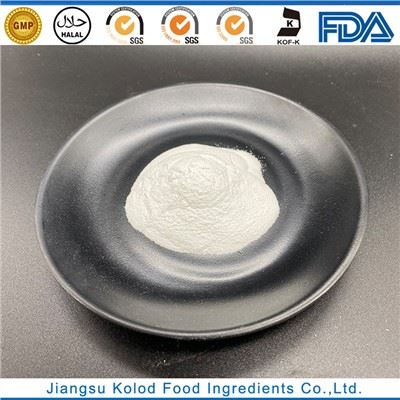
If you’re a brand owner looking to source bulk potassium citrate for your next product, or a healthcare provider needing a steady supply for patient use, I’m here to help. We work with everything from small startup food brands to large pharmaceutical companies, and we can adjust our order specs to match whatever you need. Just reach out to my team to chat through your requirements—we’ll walk you through grades, pricing, and how potassium citrate fits into your specific use case. Don’t hesitate to connect, even if you’re just exploring your options. I’m always happy to share what I’ve learned from working with citrates for years.
Carbonates References
- National Institutes of Health. (2023). Potassium: Fact Sheet for Health Professionals. U.S. Department of Health and Human Services.
- American Urological Association. (2022). Medical Therapy for the Prevention of Kidney Stones. AUA Guidelines.
- Institute of Medicine. (2004). Dietary Reference Intakes for Water, Potassium, Sodium, Chloride, and Sulfate. National Academies Press.
- Food and Drug Administration. (2021). GRAS Notices for Potassium Citrate as a Food Additive. FDA Center for Food Safety and Applied Nutrition.
- Journal of Renal Nutrition. (2019). Potassium Citrate vs Potassium Chloride: Gastrointestinal Tolerability in Chronic Kidney Disease Patients. Elsevier.
Jiangsu Kolod Food Ingredients Co., Ltd.
As one of the most professional citrates manufacturers and suppliers in China, we’re featured by quality products and good price. Please rest assured to wholesale bulk citrates made in China here and get free sample from our factory. Customized orders are welcome.
Address: South Side of Weier Road, Guanyun Development Zone, Lianyungang City, Jiangsu Province, China
E-mail: sales1399@jskolod.com
WebSite: https://www.kolod-group.com/
