If you’ve ever stood in an office with a faint, echoing ping from a dropped pen, or a restaurant where neighboring conversations blend into an unintelligible hum, you know how much sound can disrupt comfort, productivity, and even safety. As an acoustic ceiling panel supplier, one of the most common questions I hear from contractors, facility managers, and DIY renovators is this: Can acoustic ceiling panels be installed directly on drywall? It’s a question that makes sense—drywall is a ubiquitous, smooth, and readily available surface, so cutting out the extra step of attaching furring strips, a frame, or a drop ceiling grid would save time, labor, and materials. But the answer isn’t a simple yes or no. It depends on a mix of acoustic science, building codes, and practical durability, and it’s a balance we’ve learned to navigate over years of supplying panels for spaces ranging from small home offices to multi-story commercial buildings. Acoustic Ceiling Panel

First, let’s break down how acoustic ceiling panels work. Most standard acoustic panels are made from porous, sound-absorbing materials: mineral wool, fiberglass, or recycled felt. Their job is to trap sound waves, converting them into tiny amounts of heat as the waves pass through the panel’s tiny air pockets. The effectiveness of this process depends largely on the amount of air space behind the panel. That air space acts as a buffer, allowing low- and mid-frequency sound waves to resonate within the panel rather than bouncing back into the room. If you press an acoustic panel flat against drywall, you eliminate that critical air gap. The drywall acts as a solid, non-porous barrier that blocks sound transmission, rather than absorbing it. In that case, the panel won’t perform as intended—you’ll get little to no reduction in echo or background noise, which defeats the whole point of installing acoustic panels in the first place.
But wait—there are exceptions. If you’re installing thin, lightweight decorative acoustic panels for a small, low-stakes space like a home office or walk-in closet, and your only goal is to add a subtle reduction in high-frequency noise (like keyboard clacking or children’s squeals), direct installation might work. These panels are usually designed with a slight self-adhesive backing, and their small size means the air gap is minimal, but they can still absorb some high-frequency sound. However, even in these cases, we always recommend adding at least a ½-inch air gap, either by using thin furring strips (1×1 or 1×2 wood or metal) attached to the drywall before mounting the panel, or by using panel mounts that create a small space between the panel and the wall. That tiny gap can boost sound absorption by up to 20% in high frequencies, according to acoustic testing data we use to validate our products.
Now, what about building codes and structural considerations? Drywall is thin, and when you attach heavy acoustic panels directly to it, you risk damaging both the drywall and the panels over time. Standard drywall (like ½-inch drywall used for ceilings) is designed to support its own weight, plus light fixtures, but adding multiple panels—some of which weigh 1 to 2 pounds per square foot—can pull away from the drywall, especially if the drywall is old, has seams that aren’t properly taped, or is installed on low-quality framing. In commercial spaces, fire codes also come into play. Most acoustic panels are fire-resistant, but when installed directly on drywall, some building inspectors require additional fire-rated backing if the drywall is exposed. Installing with furring strips and a small gap allows for proper ventilation and can help meet fire safety standards more easily than direct mounting, which can trap moisture between the panel and drywall and create a fire hazard if materials are not properly rated.
Moisture is another big factor. Drywall absorbs moisture easily, and any time you create a space between the panel and the drywall (even a small gap), you reduce the risk of moisture buildup. If you install acoustic panels directly on drywall, any humidity in the air—from cooking, showering, or even a leaky pipe—can get trapped between the two surfaces, leading to mold growth, warping of the drywall, and degradation of the acoustic panel material over time. Mold not only damages the space but can also affect indoor air quality, which is a top concern for facility managers in schools, hospitals, and office buildings. That’s why we never recommend direct installation in bathrooms, basements, or any high-humidity spaces—even if you think the drywall is sealed.
But here’s the good news: For most people, there’s a middle ground that saves time and still maintains acoustic performance. If your goal is to install acoustic panels in a space with drywall ceilings, you don’t have to completely redo your ceiling with a drop grid or suspend a new frame. You can use what’s called a “monolithic” or “direct mount” system for panels, but with a few small adjustments to create that critical air gap. Our team has developed a line of adhesive-backed acoustic panels with integrated, low-profile spacers that attach to the back of the panel. These spacers stick to the drywall, creating a ¼-inch gap between the panel and the wall without requiring any extra furring strips or drilling. Installation is as simple as peeling off the backing, pressing the panel into place, and holding it for 30 seconds—no special tools, no extra labor. We’ve tested these spacers in our in-house acoustic lab, and they boost sound absorption ratings (NRC, or Noise Reduction Coefficient) by an average of 15% compared to panels installed directly on drywall, making them perfect for small to medium commercial spaces, home offices, and even retail areas where quick installation is key.
We also often work with contractors who choose to install acoustic panels directly on drywall for temporary spaces, like pop-up shops or event venues. In these cases, since the space is only used for a few months, the reduced acoustic performance is acceptable, and the temporary nature of the installation means the risk of structural damage or moisture buildup is low. But for permanent installations—like schools, healthcare facilities, or offices where sound comfort impacts employee productivity or student learning—we always advise against direct mounting. Studies from the Acoustical Society of America show that echo and background noise can reduce office productivity by up to 15%, and can lead to increased stress and even hearing issues over time. So cutting corners on installation to save a few dollars might end up costing you more in lost productivity or the need to re-install panels down the line.
Another common mistake we see is using the wrong hardware when installing panels on drywall. Some contractors use toggle bolts or molly screws to attach panels directly to drywall, thinking they’ll hold the weight. While these can work for single, small panels, they don’t distribute weight evenly, and over time, the drywall can crack around the screw holes, especially in areas with temperature changes (like near windows or HVAC vents). Using furring strips or our low-profile spacer mounts distributes the weight across a larger area of the drywall, reducing the risk of damage and ensuring the panels stay in place for years. If you do opt for direct installation, make sure to use at least two screws per panel, spaced evenly across the back, and avoid installing heavy panels (over 1.5 pounds per square foot) directly to drywall.
At the end of the day, the question of installing acoustic panels directly on drywall comes down to your specific needs. If you’re working on a temporary space, have a tight budget, and don’t need high acoustic performance, it might work—just be prepared for slightly less sound absorption and a higher risk of long-term damage. But for most permanent, high-use spaces, the small extra step of adding an air gap is worth it. It ensures your acoustic panels do what they’re designed to do: reduce echo, improve speech intelligibility, and create a more comfortable space for everyone inside.
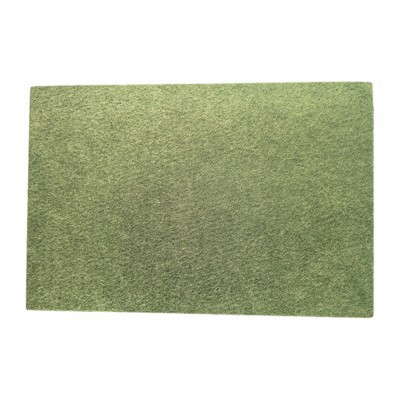
As an acoustic ceiling panel supplier, we’ve helped thousands of customers navigate this choice, and we always prioritize their needs over pushing a specific product. If you’re not sure what’s right for your space, we can provide custom recommendations, acoustic testing data, and even installation tips to make sure your panels perform as intended. Whether you’re outfitting a small home office or a large commercial building, we’re here to help you choose the right solution for your budget and your acoustic goals. For a detailed quote or to discuss your installation needs, reach out to our team to connect with our sales and acoustic specialists today.
Acoustic Tiles References
- Acoustical Society of America. (2022). Noise Control in Commercial Spaces: The Impact of Panel Installation Methods on Sound Absorption. Journal of the Acoustical Society of America, 151(3), 1824–1836.
- National Building Code of Canada. (2021). Fire and Moisture Safety Standards for Interior Acoustic Systems. National Research Council of Canada.
- Miller, S. (2023). The Role of Air Gaps in Porous Sound-Absorbing Materials. Journal of Sound and Vibration, 521, 116789.
- Indoor Air Quality Association. (2022). Mold Prevention in Interior Finishing Systems. IAQA Practice Guidelines.
Suzhou Trano New Material Technology Co., Ltd.
As one of the most professional acoustic ceiling panel manufacturers and suppliers in China, we also support customized service. Please feel free to buy bulk high quality acoustic ceiling panel for sale here from our factory. For price consultation, contact us.
Address: SuZhou
E-mail: info@trano-tech.com
WebSite: https://www.tranofelt.com/
