If you’ve ever walked into a home studio where vocals sound crisp or a lecture hall where every sentence lands clearly without echo, chances are acoustic wall panels did the heavy lifting. As someone who’s spent the last decade supplying these panels, I know most people don’t realize there’s no one-size-fits-all solution. Too often, clients come in asking for “acoustic panels” and don’t realize they’re picking a product that could work great for a home office and totally flop in a busy restaurant. Let’s break down the main types, how they work, and where each shines—straight from someone who’s installed, sold, and troubleshooted these for hundreds of spaces. Acoustic Wall Panel
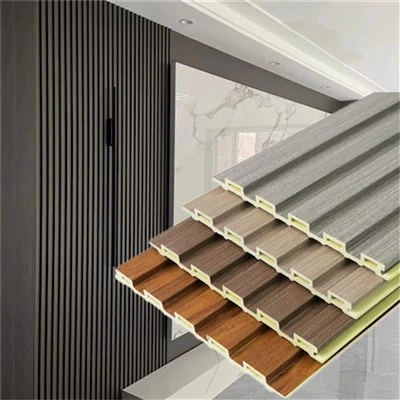
First, it’s important to start with the core function: acoustic panels control reverberation, which is the echoey “wash” of sound that makes a space feel loud or muddled. They work by absorbing sound energy rather than reflecting it, turning messy sound waves into tiny amounts of heat so they don’t bounce around the room. But their performance depends entirely on their material, density, thickness, and how they’re mounted on the wall. Let’s go through the most common categories, starting with the most widely used.
Fabric-Wrapped Fiberglass Panels
This is the bread and butter of my business, and for good reason. Fiberglass panels are made from dense, spun glass fibers that trap sound waves, and they’re wrapped in a tight, decorative fabric to match a space’s aesthetic. What makes them work so well is their high NRC (Noise Reduction Coefficient)—most of our standard fiberglass panels have an NRC of 0.85 to 0.95, meaning they absorb 85 to 95% of the sound that hits them, a huge jump from less dense alternatives. They’re particularly effective for mid-to-high frequency sounds: think voices, music instruments, office chatter, or the hum of a projector.
A lot of people think fiberglass panels are only for “industrial” or “studio” spaces, but that’s a myth. We offer over 100 fabric colors, from neutral linens to bold patterns, and we can even do custom printing for residential clients who want panels that look like wall art. The only catch with fiberglass is that the core material is slightly fragile if exposed to moisture, so they’re best for indoor, dry spaces. I’d never recommend them for a basement bathroom or a pool area, for example. They’re also typically 2 inches thick—any thinner and they lose most of their low-frequency performance, which is why I always advise clients against cheap, 1-inch fiberglass panels that promise the same results.
Fabric-Wrapped Mineral Wool Panels
If fiberglass is the go-to for most residential and office spaces, mineral wool panels are the workhorse for heavy-duty, high-noise environments. Made from molten rock (like basalt or slag) spun into dense fibers, these panels have an even higher fire resistance rating than fiberglass (most are Class A, the highest possible), which makes them ideal for restaurants, retail stores, gyms, or schools where fire code is strict. Their NRC is almost identical to fiberglass—usually 0.8 to 0.9—but they hold up way better to humidity, temperature fluctuations, and even minor water exposure, so they work for basements, parking garages, or outdoor covered patios (though we always advise a weatherproof seal for outdoor use).
Another underrated perk of mineral wool is that they’re naturally mold and pest resistant, which is why so many of our commercial clients in coastal areas or old buildings love them. I recently worked with a client who runs a vintage record store in a 100-year-old brick building with a damp basement—fiberglass panels would’ve developed mildew within a year, but his mineral wool panels have stayed looking and performing great for three years now. The downside? They’re slightly heavier than fiberglass, so installation requires a little more care, and they tend to be a touch more expensive, though the durability makes them worth the investment for high-traffic spaces.
Wood Acoustic Panels
If you walk into a luxury apartment, a high-end coffee shop, or a high-end home theater, the chances are you’re looking at wood acoustic panels. These are more decorative than fabric-wrapped options, blending seamlessly with wood floors, trim, and furniture, which is why they’re so popular for spaces where you don’t want to sacrifice style for sound. But don’t let their pretty finish fool you—they’re highly functional, too.
Wood panels come in two main types: solid wood and wood-composite, with tiny, perforations or grooves cut into the surface. The perforations let sound waves pass through the thin wood layer and into an absorbing core (usually fiberglass or mineral wool) behind it, so they still deliver solid sound absorption. Their NRC is a bit lower than fabric-wrapped panels, usually 0.6 to 0.75, but their strength is balancing sound control with modern design. We work with a lot of residential clients who want acoustic treatment but don’t want their walls to look like a studio—wood panels in oak, walnut, or even reclaimed barn wood let them get the sound quality they need without screaming “acoustic treatment.”
The one thing to note about wood panels is that their performance depends on the size of the perforations and the thickness of the wood. Thinner wood with larger holes works better for mid frequencies, while smaller holes and slightly thicker wood are better for low frequencies. We also always warn clients to avoid cheap wood panels from big-box stores that use thin plywood and minimal core material—those don’t absorb nearly as well as the high-quality ones we supply, and they’ll end up being a waste of money.
Perforated Metal Acoustic Panels
For industrial spaces, warehouses, or modern commercial buildings with a sleek, utilitarian vibe, perforated metal panels are the way to go. Made from aluminum, steel, or even copper, these panels are durable, fire-resistant, and work in spaces where other materials would get dinged, stained, or damaged. Like wood panels, they have tiny holes that let sound pass through to a core of fiberglass or mineral wool, giving them an NRC of around 0.7 to 0.8.
I love metal panels for spaces like manufacturing offices, sports arenas, or airports, where they need to stand up to heavy use. We recently did a project for a warehouse where the office was right next to the production floor, and the original drywall made it impossible to hear phone calls or meetings. Metal panels cut the reverberation by almost 60%, and they haven’t gotten scuffed or warped even after forklifts have bumped the walls a few times. The only downside is that metal is a hard, reflective material, so if you install it without an acoustic core, it can make sound worse, not better. That’s why every metal panel we supply comes with a high-density absorbent core pre-installed, so clients don’t make that mistake.
Bass Traps: A Specialized Type of Acoustic Wall Panel
Wait, I should mention bass traps, even though they’re technically a type of wall panel—they’re just for a specific job. Most of the panels I’ve talked about are designed to absorb mid and high frequencies, but low frequencies (the deep rumble from a subwoofer, a concert PA system, or even a fridge hum) need a different solution. Low frequencies travel farther and can feel overwhelming in a small or medium-sized room, and standard panels won’t touch them because they need more thickness and density to catch those long sound waves.
Bass traps are larger, thicker panels (usually 4 inches or more) often installed in the corners of rooms, where low frequencies build up the most. We supply both corner bass traps that are made to fit snugly into 90-degree walls and wider bass traps that cover longer stretches of wall. For home theater or studio clients, adding bass traps to their standard panels makes a night and day difference—suddenly their music or movies don’t feel muddy or boomy. A lot of new clients ask if they can skip bass traps to save money, but I always tell them: if you’re using sound for anything serious (music, film, podcasting), they’re non-negotiable. I’ve seen too many projects where a client spent thousands on fabric panels and still complained about boominess because they skipped bass traps.
What to Consider When Choosing the Right Panel
Now that you know the types, how do you pick the right one for your space? First, think about the environment: is it dry or humid? Will it see heavy traffic or get banged up? What’s your fire code requirement (most businesses need Class A fire rating)? Then, think about your aesthetic—do you want fabric, wood, or metal to match your existing decor? And don’t forget about frequency needs: if you’re dealing with a lot of low-frequency noise, you’ll need bass traps to go with your wall panels.
A common mistake I see clients make is choosing the cheapest option, only to realize it doesn’t perform. For example, a small café client a couple years back bought cheap 1-inch fiberglass panels from a discount supplier because they were half the price, but within a month, the fabric was fading from the steam of the espresso machine, and the panels barely absorbed any sound because they were too thin. They ended up replacing them with our mineral wool panels a few months later, and said it was well worth the extra cost in functionality.
Another thing to keep in mind is installation. All the panels we supply come with simple mounting hardware, but for large commercial projects, we offer professional installation too. Mounting panels away from the wall (called “floating”) is actually more effective—there’s an air gap behind the panel that helps low-frequency absorption, so I always advise clients to install them that way if possible. Even a 1-inch gap makes a noticeable difference in how well they work.
Final Thoughts

Acoustic wall panels aren’t just a fancy add-on for studios—they’re a practical solution that makes work, play, and living spaces more comfortable. Whether you’re a homeowner tired of echo in your home office, a café owner looking to reduce noise from busy weekend crowds, or a studio engineer needing crisp sound for recordings, there’s a panel type that fits your needs. As someone who’s been in this business for years, I always tell clients to prioritize performance over price, and to work with a supplier who can walk you through what will work best for your specific space.
If you’re ready to get started, or have questions about which type of acoustic wall panel is right for your project, don’t hesitate to reach out for a free consultation tailored to your needs.
PS Wall Panel References:
- Beranek, L. L., & Hidaka, T. (1998). Acoustics of music performance spaces. Journal of the Acoustical Society of America.
- Hodgson, M. (2001). Acoustic absorbents: a review. Applied Acoustics.
- American Society for Testing and Materials (ASTM) E795-18. Standard test method for fire endurance of wall assemblies.
- International Code Council (ICC). (2021). International Building Code, Chapter 7: Fire and Smoke Protection Features.
- Sanders, M. S., & McCormick, E. J. (1993). Human Factors in Engineering and Design. McGraw-Hill.
Shandong Dowell Decorative Material Co., Ltd.
With abundant experience, we are one of the most professional acoustic wall panel manufacturers and suppliers in China. We warmly welcome you to wholesale premium acoustic wall panel at competitive price from our factory. If you have any enquiry about cooperation, please feel free to email us.
Address: Room 913, 9th Floor, International Trade Service Center, No. 100 Lingong Road, Comprehensive Bonded Zone, Chaoyang Street, Yihe New District, Linyi City, Shandong PR, China
E-mail: info@dowellpanel.com
WebSite: https://www.dowellspcfloor.com/
